Free Christian Curriculum Kindergarten through twelfth grade · free to download

Grade 3 · 9 units · 108 lessons · 1,080 questions

Science

Cells, ecosystems, rocks and weather, matter and motion, the solar system, body systems, and stewardship in 108 lessons.

About this course

Third grade is where science starts reading like a textbook instead of a story. The life science unit covers classification, cell parts including mitochondria, plant systems, photosynthesis, vertebrates and invertebrates, adaptations, food chains, ecosystems, life cycles, and inherited traits. Earth science works through the planet's structure, rocks and minerals, soil formation, weathering, volcanoes, fossils, the water cycle, and predicting weather from cloud types. Physical science handles properties and states of matter, physical versus chemical change, mixtures and solutions, forces, friction, all six simple machines, energy transfer, sound, and light. Space covers the sun, moon, inner and outer planets, rotation and revolution, seasons, constellations, and galaxies. The body unit runs through the skeletal, muscular, circulatory, respiratory, digestive, nervous, and immune systems plus nutrition and rest. Chemistry takes up elements, the periodic table, atoms, molecules, compounds, acids and bases, and the responsible handling of household chemicals. Physics states all three of Newton's laws, then magnetism, static and current electricity, series and parallel circuits, reflection and refraction, and waves. The last unit is stewardship: air, water, soil, forests, wildlife, oceans, renewable and nonrenewable energy, and recycling.

The course is 108 lessons in 9 units of 12, each planned for about 30 minutes. The ninth unit teaches the life science topics from unit one over again in freshly written lessons, so it reads as a genuine second pass rather than a reprint. The lesson structure is a short prayer, a wonder question, the teaching, an observation or experiment, and a record-and-share step, closing with a ten-question multiple-choice quiz that grades itself. Each lesson includes a King James verse.

The shift you will notice most is who the text talks to. In the earlier grades it addresses you; here it addresses your student directly and the parent note says to encourage independent work while staying available for questions. Listed materials are still pencil, paper, and crayons, and most activities use what is on hand, such as hunting all six simple machines around the house or comparing traits in family photos. A few lessons suggest an optional extra (a microscope slide of onion skin, a 9V battery with an LED and foil) but always give a drawing alternative for families without the supplies. The course teaches from a creation perspective and says so plainly; the lesson on inherited traits, for instance, teaches reproduction after its kind and states that this differs from one kind of creature becoming another.

What the course covers

What your student will be able to do

Scope and sequence

All 9 units of Science for Grade 3, in the order they are taught.

Units in this course, in teaching order
UnitCoversLessonsQuestionsJump to lessons
Unit 1Life Science12120Lessons
Unit 2Earth Science12120Lessons
Unit 3Physical Science12120Lessons
Unit 4Space and Astronomy12120Lessons
Unit 5Human Body12120Lessons
Unit 6Chemistry Basics12120Lessons
Unit 7Physics Basics12120Lessons
Unit 8Environmental Stewardship12120Lessons
Unit 9Life Science12120Lessons

Inside the course

These photographs appear in the lessons themselves, not just on this page. Every one is freely licensed and credited to its photographer at the foot of this page.

An image showing biological classification mn — a visual aid that helps bring this science lesson to life.
Biological classification mn.pngBiological_classification_S_Pengo.svg: Peter Halasz (User:Pengo) derivative work: Munkhzaya.E (talk) / Wikimedia Commons / CC BY-SA 3.0
An image showing storm comin, eastern sierra nevada 5-21-15 — a visual aid that helps bring this science lesson to life.
Storm Comin, Eastern Sierra Nevadainkknife_2000 (7.5 million views +) / Wikimedia Commons / CC BY-SA 2.0
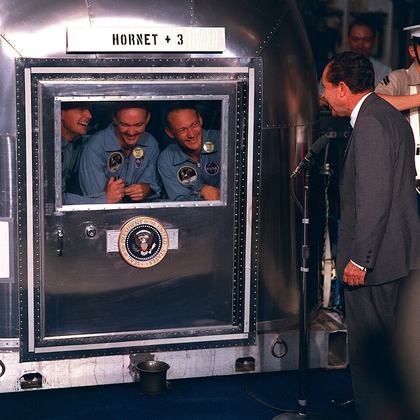
An image showing apollo 11 crew in quarantine — a visual aid that helps bring this science lesson to life.
Apollo 11 crew in quarantine.jpgNASA / Wikimedia Commons / Public domain
An image showing adult golden eagle and juvenile bald eagle at seedskadee national wildlife refuge — a visual aid that helps bring this science lesson to life.
Adult golden eagle and juvenileUSFWS Mountain Prairie / Wikimedia Commons / Public domain

Every lesson, by title

All 108 lesson titles are listed here — nothing is withheld until you download. Open a unit to read its contents.

Unit 1: Life Science 12 lessons
  1. 1Classifying Living Things10 q
  2. 2Life Science - Lesson 210 q
  3. 3Life Science - Lesson 310 q
  4. 4Life Science - Lesson 410 q
  5. 5Life Science - Lesson 510 q
  6. 6Life Science - Lesson 610 q
  7. 7Life Science - Lesson 710 q
  8. 8Life Science - Lesson 810 q
  9. 9Ecosystems and Habitats10 q
  10. 10Life Science - Lesson 1010 q
  11. 11Life Science - Lesson 1110 q
  12. 12Life Science - Lesson 1210 q
Unit 2: Earth Science 12 lessons
  1. 1Earth's Structure10 q
  2. 2Earth Science - Lesson 210 q
  3. 3Earth Science - Lesson 310 q
  4. 4Earth Science - Lesson 410 q
  5. 5Earth Science - Lesson 510 q
  6. 6Earth Science - Lesson 610 q
  7. 7The Water Cycle10 q
  8. 8Earth Science - Lesson 810 q
  9. 9Earth Science - Lesson 910 q
  10. 10Natural Resources10 q
  11. 11Earth Science - Lesson 1110 q
  12. 12Earth Science - Lesson 1210 q
Unit 3: Physical Science 12 lessons
  1. 1Physical Science - Lesson 110 q
  2. 2Physical Science - Lesson 210 q
  3. 3Physical Science - Lesson 310 q
  4. 4Physical Science - Lesson 410 q
  5. 5Physical Science - Lesson 510 q
  6. 6Physical Science - Lesson 610 q
  7. 7Physical Science - Lesson 710 q
  8. 8Friction10 q
  9. 9Physical Science - Lesson 910 q
  10. 10Physical Science - Lesson 1010 q
  11. 11Physical Science - Lesson 1110 q
  12. 12Physical Science - Lesson 1210 q
Unit 4: Space and Astronomy 12 lessons
  1. 1Space and Astronomy - Lesson 110 q
  2. 2Space and Astronomy - Lesson 210 q
  3. 3Space and Astronomy - Lesson 310 q
  4. 4Space and Astronomy - Lesson 410 q
  5. 5Space and Astronomy - Lesson 510 q
  6. 6Space and Astronomy - Lesson 610 q
  7. 7Space and Astronomy - Lesson 710 q
  8. 8The Seasons10 q
  9. 9Space and Astronomy - Lesson 910 q
  10. 10Space and Astronomy - Lesson 1010 q
  11. 11Space and Astronomy - Lesson 1110 q
  12. 12Space and Astronomy - Lesson 1210 q
Unit 5: Human Body 12 lessons
  1. 1Human Body - Lesson 110 q
  2. 2Human Body - Lesson 210 q
  3. 3Human Body - Lesson 310 q
  4. 4Human Body - Lesson 410 q
  5. 5Human Body - Lesson 510 q
  6. 6Human Body - Lesson 610 q
  7. 7Human Body - Lesson 710 q
  8. 8Human Body - Lesson 810 q
  9. 9Human Body - Lesson 910 q
  10. 10Human Body - Lesson 1010 q
  11. 11Human Body - Lesson 1110 q
  12. 12Human Body - Lesson 1210 q
Unit 6: Chemistry Basics 12 lessons
  1. 1Chemistry Basics - Lesson 110 q
  2. 2Chemistry Basics - Lesson 210 q
  3. 3Chemistry Basics - Lesson 310 q
  4. 4Chemistry Basics - Lesson 410 q
  5. 5Chemistry Basics - Lesson 510 q
  6. 6Chemistry Basics - Lesson 610 q
  7. 7Chemistry Basics - Lesson 710 q
  8. 8Chemistry Basics - Lesson 810 q
  9. 9Chemistry Basics - Lesson 910 q
  10. 10Chemistry Basics - Lesson 1010 q
  11. 11Chemistry Basics - Lesson 1110 q
  12. 12Chemistry Basics - Lesson 1210 q
Unit 7: Physics Basics 12 lessons
  1. 1Physics Basics - Lesson 110 q
  2. 2Physics Basics - Lesson 210 q
  3. 3Physics Basics - Lesson 310 q
  4. 4Physics Basics - Lesson 410 q
  5. 5Physics Basics - Lesson 510 q
  6. 6Gravity and Weight10 q
  7. 7Magnetism10 q
  8. 8Electricity — Static and Current10 q
  9. 9Physics Basics - Lesson 910 q
  10. 10Light — Reflection and Refraction10 q
  11. 11Physics Basics - Lesson 1110 q
  12. 12Physics Basics - Lesson 1210 q
Unit 8: Environmental Stewardship 12 lessons
  1. 1Environmental Stewardship - Lesson 110 q
  2. 2Environmental Stewardship - Lesson 210 q
  3. 3Environmental Stewardship - Lesson 310 q
  4. 4Environmental Stewardship - Lesson 410 q
  5. 5Environmental Stewardship - Lesson 510 q
  6. 6Environmental Stewardship - Lesson 610 q
  7. 7Environmental Stewardship - Lesson 710 q
  8. 8Environmental Stewardship - Lesson 810 q
  9. 9Nonrenewable Resources10 q
  10. 10Environmental Stewardship - Lesson 1010 q
  11. 11Environmental Stewardship - Lesson 1110 q
  12. 12Environmental Stewardship - Lesson 1210 q
Unit 9: Life Science 12 lessons
  1. 1Life Science - Lesson 110 q
  2. 2Cells: The Basic Unit of Life10 q
  3. 3Plant Systems10 q
  4. 4Life Science - Lesson 410 q
  5. 5Life Science - Lesson 510 q
  6. 6Life Science - Lesson 610 q
  7. 7Life Science - Lesson 710 q
  8. 8Food Chains and Food Webs10 q
  9. 9Life Science - Lesson 910 q
  10. 10Life Science - Lesson 1010 q
  11. 11Life Science - Lesson 1110 q
  12. 12Review: Life Science — God's Amazing Living World10 q

One whole lesson, exactly as it comes

This is a real lesson taken from the middle of the course — the teaching text, the practice, the homework, and the first three quiz questions with their answers. It is not a marketing excerpt.

Unit 5: Human Body · Lesson 9

Human Body - Lesson 9

30 minutesPencilPaperCrayons

What this lesson is for

  • Students will explore and observe Human Body - Lesson 9
  • Students will describe what they learned about God's creation
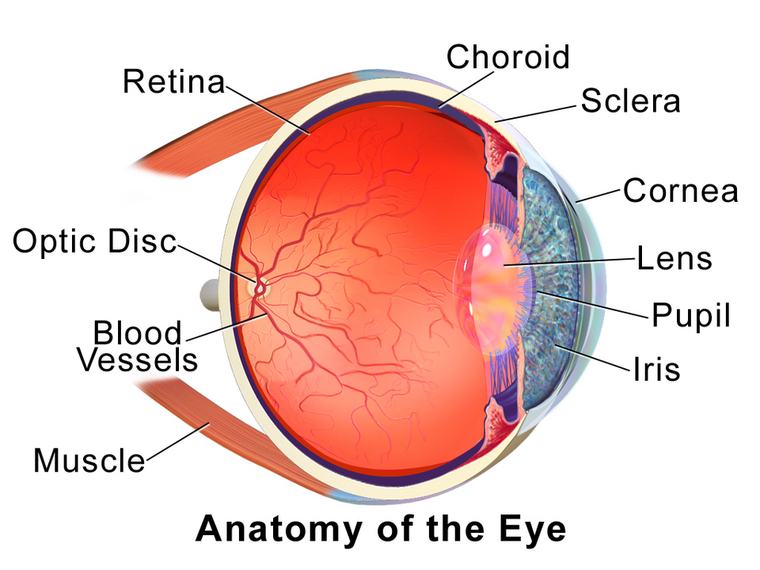
An image showing blausen 0388 eyeanatomy 01 — a visual aid that helps bring this science lesson to life.
Blausen 0388 EyeAnatomy 01.pngBruceBlaus. When using this image in external sources it can be cited as: Blausen.com staff (2014). "Medical gallery of Blausen Medical 2014". WikiJournal of Medicine 1 (2). DOI:10.15347/wjm/2014.010. ISSN 2002-4436. / Wikimedia Commons / CC BY 3.0

For by him were all things created, that are in heaven, and that are in earth, visible and invisible.

Colossians 1:16

The Senses

Close your eyes and listen. What do you hear? Now open them. What do you see? God gave you five senses so you could experience and enjoy His amazing world.

Key Verse: "The hearing ear, and the seeing eye, the LORD hath made even both of them." — Proverbs 20:12

Teaching: God gave us five senses to experience the world He created: sight, hearing, smell, taste, and touch. Each sense has a special organ that collects information and sends it to the brain. Sight: Your eyes detect light. The cornea and lens focus light onto the retina at the back of the eye, where light-sensitive cells called rods (detect light and dark) and cones (detect color) convert light into nerve signals sent to the brain. Hearing: Your ears collect sound waves. The eardrum vibrates; tiny bones (hammer, anvil, and stirrup — the smallest bones in the body) amplify the vibration; fluid in the inner ear converts it to nerve signals. Smell: Your nose detects chemicals in the air. Smell receptors in the upper nose send signals directly to the brain's memory and emotion centers — that is why smells can instantly bring back memories. Taste: Your tongue has about 10,000 taste buds that detect sweet, salty, sour, bitter, and savory (umami). Taste and smell work together — most of what we "taste" is actually smell. Touch: Your skin is the largest sensory organ. It detects pressure, temperature, pain, and texture through millions of nerve endings. These senses let us enjoy beauty, stay safe, connect with others, and worship God through all He has made.

What organ do we use for each of the five senses? How do eyes detect color? Why do smell and taste work together?

Activity: Blindfolded taste test! Blindfold yourself, hold your nose, and taste three foods (apple, potato, and pear all taste similar without smell). Then release your nose and taste again. Observe how much smell changes flavor. Discuss how God designed taste and smell to work together.

Homework

Write a short paragraph about Human body - lesson 9.

Note for the parent

Today's lesson covers Human Body - Lesson 9. Estimated time: 30 minutes. Encourage independent work but be available for questions.

The first three of this lesson's 10 questions

God gave humans five senses — they are sight, hearing, smell, taste, and ___.

  1. Pain
  2. Balance
  3. Touch
  4. Proprioception
Show the answer

Answer: Touch

The part of the eye that focuses light onto the retina is the ___.

  1. Iris
  2. Cornea
  3. Pupil
  4. Lens
Show the answer

Answer: Lens

The colored part of the eye that controls how much light enters is the ___.

  1. Retina
  2. Pupil
  3. Lens
  4. Iris
Show the answer

Answer: Iris

Another 7 questions follow in the lesson itself, each one graded the moment it is answered.

What comes with the download

108 full lessons

Across 9 units, each with objectives, a teaching passage written to be read aloud, guided practice, and homework.

1,080 quiz questions

Graded the instant they are answered, each with the explanation of why that answer is right.

A gradebook that works

Every score kept, a running average maintained, and a breakdown unit by unit — all in the file itself, nothing sent anywhere.

Progress and attendance

Tick lessons off as they are finished, watch the completion bar fill, and mark days present, absent, or excused.

Report card and certificate

Both printable, with your student's name, the grades, and the dates already filled in.

Backup you control

Export every record to a file you keep, and read it back later. A lost browser cache cannot take the year with it.

An answer key

Hidden from the student by default, there for the parent marking the work.

Nothing that phones home

No ads, no affiliate links, no analytics, no fonts fetched from elsewhere. Unplug the network cable and every one of these files still works.

What you will need

Drawn from the materials named across all 108 lessons of this course. Most families already own most of it.

Download Science — Grade 3

Free, and free of everything else. 19 files, 34.7 MB in total. No account, no email address, no payment. What you download carries no advertising, no affiliate links and no tracking of any kind.

Photo credits

Every photograph on this page is used under a free licence, and is credited here as that licence requires. Photographs are part of the curriculum itself, so they travel with the download as well.