Free Christian Curriculum Kindergarten through twelfth grade · free to download

Grade 3 · 16 units · 216 lessons · 2,232 questions

English Language Arts

Greek and Latin roots, figurative language, full grammar, paragraph and report writing, and 36 spelling weeks.

About this course

Third grade is where word study stops being phonics and becomes vocabulary. Your student learns to break long words apart by syllable type, then meets Greek roots (graph, phon, bio, geo) and Latin roots (port, dict, rupt, struct) as tools for guessing at unfamiliar words, along with prefixes, the -tion and -sion suffix families, and the homophones that trip up writers. Vocabulary work adds denotation and connotation, similes, metaphors, idioms, and thesaurus use. Grammar covers the whole sentence: abstract and collective nouns, action, linking, and helping verbs, the three tenses, subject-verb agreement, subject and object pronouns, comparative and superlative adjectives, adverbs, prepositional phrases, coordinating and subordinating conjunctions, and compound and complex sentences. Writing runs from topic sentences and supporting details through descriptive, narrative, opinion, and expository pieces, including a lesson on punctuating dialogue correctly and one on revising a draft rather than just fixing spelling. Comprehension is taught as named strategies and then pushed further in a second pass, including a lesson on the literal, inferential, and evaluative levels of reading. The literature unit covers character, plot, theme, conflict, poetry, biography, and a candid lesson comparing Greek, Norse, and Egyptian myths with the Genesis account. There is also a full research unit that ends in a finished report with an outline, introduction, body paragraphs, conclusion, and citations.

The course is 216 lessons across 16 units. Fifteen units hold 12 lessons of about 45 minutes; the sixteenth is a 36-week spelling sequence of 12 words each, 432 words in all, running from blends such as swift and crisp through suffix families, homophone pairs like flour and flower, and finishing the year on words such as knowledge, persevere, and thousand. A typical lesson is a short explanation written directly to your student, often with a table or a weak-versus-strong comparison, one or two questions to answer, a KJV verse connected to the topic, and a hands-on activity. Every regular lesson ends with a ten-question multiple-choice quiz that grades itself. Spelling weeks are typed instead: a sentence with a word missing and a box to spell it into.

This is the first year the lessons address your student rather than you, so a fluent third-grade reader can work through much of it alone, with you nearby for the writing activities. Coming in, your student should be able to read a paragraph without sounding out most words, write a complete sentence with correct capitalization, and know the basic parts of speech. Units 9 through 15 are a deliberate second pass over the same seven strands with mostly new lessons, so phonics, vocabulary, comprehension, grammar, writing, literature, and research each come around twice. A handful of individual lessons in that second pass do repeat a title from earlier in the year.

What the course covers

What your student will be able to do

Scope and sequence

All 16 units of English Language Arts for Grade 3, in the order they are taught.

Units in this course, in teaching order
UnitCoversLessonsQuestionsJump to lessons
Unit 1Phonics and Reading12120Lessons
Unit 2Vocabulary Building12120Lessons
Unit 3Reading Comprehension12120Lessons
Unit 4Grammar Foundations12120Lessons
Unit 5Writing Skills12120Lessons
Unit 6Literature Study12120Lessons
Unit 7Research and Reports12120Lessons
Unit 8Communication12120Lessons
Unit 9Phonics and Reading12120Lessons
Unit 10Vocabulary Building12120Lessons
Unit 11Reading Comprehension12120Lessons
Unit 12Grammar Foundations12120Lessons
Unit 13Writing Skills12120Lessons
Unit 14Literature Study12120Lessons
Unit 15Research and Reports12120Lessons
Unit 16Weekly Spelling Quizzes36432Lessons

Inside the course

These photographs appear in the lessons themselves, not just on this page. Every one is freely licensed and credited to its photographer at the foot of this page.

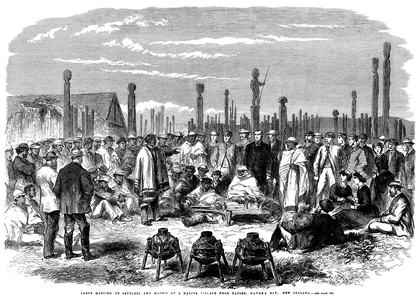
An 1863 engraving of a large outdoor gathering of British settlers and Māori people near Napier, New Zealand — meetings between different peoples shaped the history and cultures of nations around the world.
Cause and Effect: Historical MeetingMason Jackson / Wikimedia Commons / CC BY-SA 3.0
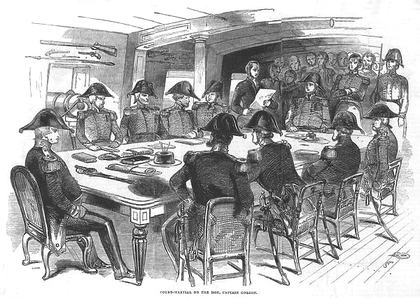
An engraving of a 19th-century military court proceeding aboard a ship — formal hearings like this required careful reading of written documents and deliberate decision-making before reaching a conclusion.
Concluding Sentences: Formal ProceedingsF. Shepherd / Wikimedia Commons / Public domain
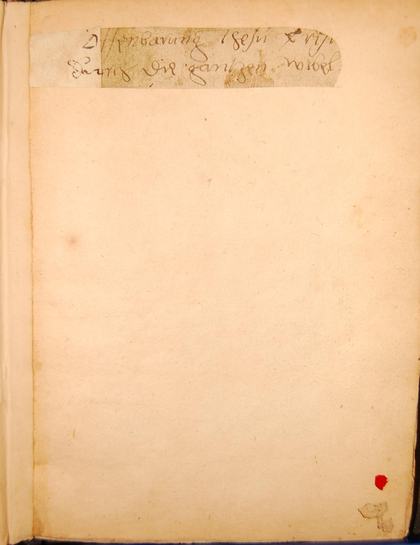
A handwritten page from a German Bible manuscript bearing the inscription 'Offenbarung Jesu Christi durch die ganze Bibel' (Revelation of Jesus Christ through the whole Bible) — God's Word has been carefully copied and preserved by faithful hands throughout the centuries.
Text Features: Preserved ScriptureDrawn by: Paul Lautensack / Wikimedia Commons / Public domain
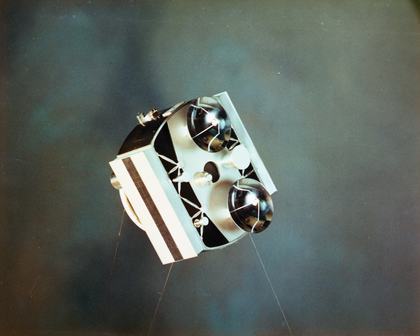
A model of an early research satellite with spherical sensors and a striped solar panel — early satellites like this helped scientists study the upper atmosphere and paved the way for modern space technology.
Reading Passage: Early SatelliteUnknown authorUnknown author or not provided / Wikimedia Commons / Public domain

Every lesson, by title

All 216 lesson titles are listed here — nothing is withheld until you download. Open a unit to read its contents.

Unit 1: Phonics and Reading 12 lessons
  1. 1Multisyllabic Words10 q
  2. 2Phonics and Reading - Lesson 210 q
  3. 3Phonics and Reading - Lesson 310 q
  4. 4Phonics and Reading - Lesson 410 q
  5. 5Phonics and Reading - Lesson 510 q
  6. 6Phonics and Reading - Lesson 610 q
  7. 7Phonics and Reading - Lesson 710 q
  8. 8Phonics and Reading - Lesson 810 q
  9. 9Phonics and Reading - Lesson 910 q
  10. 10Phonics and Reading - Lesson 1010 q
  11. 11Phonics and Reading - Lesson 1110 q
  12. 12Phonics and Reading - Lesson 1210 q
Unit 2: Vocabulary Building 12 lessons
  1. 1Vocabulary Building - Lesson 110 q
  2. 2Vocabulary Building - Lesson 210 q
  3. 3Vocabulary Building - Lesson 310 q
  4. 4Vocabulary Building - Lesson 410 q
  5. 5Vocabulary Building - Lesson 510 q
  6. 6Vocabulary Building - Lesson 610 q
  7. 7Vocabulary Building - Lesson 710 q
  8. 8Vocabulary Building - Lesson 810 q
  9. 9Vocabulary Building - Lesson 910 q
  10. 10Vocabulary Building - Lesson 1010 q
  11. 11Vocabulary Building - Lesson 1110 q
  12. 12Vocabulary Building - Lesson 1210 q
Unit 3: Reading Comprehension 12 lessons
  1. 1Reading Comprehension - Lesson 110 q
  2. 2Reading Comprehension - Lesson 210 q
  3. 3Reading Comprehension - Lesson 310 q
  4. 4Reading Comprehension - Lesson 410 q
  5. 5Reading Comprehension - Lesson 510 q
  6. 6Reading Comprehension - Lesson 610 q
  7. 7Reading Comprehension - Lesson 710 q
  8. 8Reading Comprehension - Lesson 810 q
  9. 9Reading Comprehension - Lesson 910 q
  10. 10Reading Comprehension - Lesson 1010 q
  11. 11Reading Comprehension - Lesson 1110 q
  12. 12Reading Comprehension - Lesson 1210 q
Unit 4: Grammar Foundations 12 lessons
  1. 1Grammar Foundations - Lesson 110 q
  2. 2Grammar Foundations - Lesson 210 q
  3. 3Grammar Foundations - Lesson 310 q
  4. 4Grammar Foundations - Lesson 410 q
  5. 5Grammar Foundations - Lesson 510 q
  6. 6Grammar Foundations - Lesson 610 q
  7. 7Grammar Foundations - Lesson 710 q
  8. 8Grammar Foundations - Lesson 810 q
  9. 9Grammar Foundations - Lesson 910 q
  10. 10Grammar Foundations - Lesson 1010 q
  11. 11Grammar Foundations - Lesson 1110 q
  12. 12Grammar Foundations - Lesson 1210 q
Unit 5: Writing Skills 12 lessons
  1. 1Writing Skills - Lesson 110 q
  2. 2Writing Skills - Lesson 210 q
  3. 3Writing Skills - Lesson 310 q
  4. 4Writing Skills - Lesson 410 q
  5. 5Writing Skills - Lesson 510 q
  6. 6Writing Skills - Lesson 610 q
  7. 7Writing Skills - Lesson 710 q
  8. 8Writing Skills - Lesson 810 q
  9. 9Writing Skills - Lesson 910 q
  10. 10Writing Skills - Lesson 1010 q
  11. 11Writing Skills - Lesson 1110 q
  12. 12Writing Skills - Lesson 1210 q
Unit 6: Literature Study 12 lessons
  1. 1Literature Study - Lesson 110 q
  2. 2Literature Study - Lesson 210 q
  3. 3Literature Study - Lesson 310 q
  4. 4Literature Study - Lesson 410 q
  5. 5Literature Study - Lesson 510 q
  6. 6Literature Study - Lesson 610 q
  7. 7Literature Study - Lesson 710 q
  8. 8Literature Study - Lesson 810 q
  9. 9Literature Study - Lesson 910 q
  10. 10Literature Study - Lesson 1010 q
  11. 11Literature Study - Lesson 1110 q
  12. 12Literature Study - Lesson 1210 q
Unit 7: Research and Reports 12 lessons
  1. 1Research and Reports - Lesson 110 q
  2. 2Research and Reports - Lesson 210 q
  3. 3Finding Sources10 q
  4. 4Research and Reports - Lesson 410 q
  5. 5Research and Reports - Lesson 510 q
  6. 6Research and Reports - Lesson 610 q
  7. 7Research and Reports - Lesson 710 q
  8. 8Research and Reports - Lesson 810 q
  9. 9Research and Reports - Lesson 910 q
  10. 10Research and Reports - Lesson 1010 q
  11. 11Research and Reports - Lesson 1110 q
  12. 12Research and Reports - Lesson 1210 q
Unit 8: Communication 12 lessons
  1. 1Communication - Lesson 110 q
  2. 2Communication - Lesson 210 q
  3. 3Communication - Lesson 310 q
  4. 4Communication - Lesson 410 q
  5. 5Communication - Lesson 510 q
  6. 6Oral Storytelling10 q
  7. 7Communication - Lesson 710 q
  8. 8Communication - Lesson 810 q
  9. 9Written Communication10 q
  10. 10Communication - Lesson 1010 q
  11. 11Public Speaking: Overcoming Fear10 q
  12. 12Communication - Lesson 1210 q
Unit 9: Phonics and Reading 12 lessons
  1. 1Phonics and Reading - Lesson 110 q
  2. 2Phonics and Reading - Lesson 210 q
  3. 3Phonics and Reading - Lesson 310 q
  4. 4Phonics and Reading - Lesson 410 q
  5. 5Phonics and Reading - Lesson 510 q
  6. 6Phonics and Reading - Lesson 610 q
  7. 7Phonics and Reading - Lesson 710 q
  8. 8Phonics and Reading - Lesson 810 q
  9. 9Phonics and Reading - Lesson 910 q
  10. 10Phonics and Reading - Lesson 1010 q
  11. 11Phonics and Reading - Lesson 1110 q
  12. 12Phonics and Reading - Lesson 1210 q
Unit 10: Vocabulary Building 12 lessons
  1. 1Vocabulary Building - Lesson 110 q
  2. 2Vocabulary Building - Lesson 210 q
  3. 3Vocabulary Building - Lesson 310 q
  4. 4Vocabulary Building - Lesson 410 q
  5. 5Vocabulary Building - Lesson 510 q
  6. 6Vocabulary Building - Lesson 610 q
  7. 7Vocabulary Building - Lesson 710 q
  8. 8Vocabulary Building - Lesson 810 q
  9. 9Vocabulary Building - Lesson 910 q
  10. 10Vocabulary Building - Lesson 1010 q
  11. 11Vocabulary Building - Lesson 1110 q
  12. 12Vocabulary Building - Lesson 1210 q
Unit 11: Reading Comprehension 12 lessons
  1. 1Reading Comprehension - Lesson 110 q
  2. 2Reading Comprehension - Lesson 210 q
  3. 3Reading Comprehension - Lesson 310 q
  4. 4Reading Comprehension - Lesson 410 q
  5. 5Reading Comprehension - Lesson 510 q
  6. 6Reading Comprehension - Lesson 610 q
  7. 7Reading Comprehension - Lesson 710 q
  8. 8Reading Comprehension - Lesson 810 q
  9. 9Reading Comprehension - Lesson 910 q
  10. 10Reading Comprehension - Lesson 1010 q
  11. 11Reading Comprehension - Lesson 1110 q
  12. 12Reading Comprehension - Lesson 1210 q
Unit 12: Grammar Foundations 12 lessons
  1. 1Grammar Foundations - Lesson 110 q
  2. 2Grammar Foundations - Lesson 210 q
  3. 3Grammar Foundations - Lesson 310 q
  4. 4Grammar Foundations - Lesson 410 q
  5. 5Grammar Foundations - Lesson 510 q
  6. 6Grammar Foundations - Lesson 610 q
  7. 7Grammar Foundations - Lesson 710 q
  8. 8Grammar Foundations - Lesson 810 q
  9. 9Grammar Foundations - Lesson 910 q
  10. 10Grammar Foundations - Lesson 1010 q
  11. 11Grammar Foundations - Lesson 1110 q
  12. 12Grammar Foundations - Lesson 1210 q
Unit 13: Writing Skills 12 lessons
  1. 1Writing Skills - Lesson 110 q
  2. 2Writing Skills - Lesson 210 q
  3. 3Writing Skills - Lesson 310 q
  4. 4Writing Skills - Lesson 410 q
  5. 5Writing Skills - Lesson 510 q
  6. 6Writing Skills - Lesson 610 q
  7. 7Writing Skills - Lesson 710 q
  8. 8Writing Skills - Lesson 810 q
  9. 9Writing Skills - Lesson 910 q
  10. 10Writing Skills - Lesson 1010 q
  11. 11Writing Skills - Lesson 1110 q
  12. 12Writing Skills - Lesson 1210 q
Unit 14: Literature Study 12 lessons
  1. 1Literature Study - Lesson 110 q
  2. 2Literature Study - Lesson 210 q
  3. 3Literature Study - Lesson 310 q
  4. 4Literature Study - Lesson 410 q
  5. 5Point of View in Fiction10 q
  6. 6Literature Study - Lesson 610 q
  7. 7Literature Study - Lesson 710 q
  8. 8Literature Study - Lesson 810 q
  9. 9Literature Study - Lesson 910 q
  10. 10Literature Study - Lesson 1010 q
  11. 11Literature Study - Lesson 1110 q
  12. 12Literature Study - Lesson 1210 q
Unit 15: Research and Reports 12 lessons
  1. 1Research and Reports - Lesson 110 q
  2. 2Research and Reports - Lesson 210 q
  3. 3Research and Reports - Lesson 310 q
  4. 4Research and Reports - Lesson 410 q
  5. 5Research and Reports - Lesson 510 q
  6. 6Research and Reports - Lesson 610 q
  7. 7Research and Reports - Lesson 710 q
  8. 8Research and Reports - Lesson 810 q
  9. 9Research and Reports - Lesson 910 q
  10. 10Research and Reports - Lesson 1010 q
  11. 11Research and Reports - Lesson 1110 q
  12. 12Research and Reports - Lesson 1210 q
Unit 16: Weekly Spelling Quizzes 36 lessons
  1. 1Spelling Quiz Week 112 q
  2. 2Spelling Quiz Week 212 q
  3. 3Spelling Quiz Week 312 q
  4. 4Spelling Quiz Week 412 q
  5. 5Spelling Quiz Week 512 q
  6. 6Spelling Quiz Week 612 q
  7. 7Spelling Quiz Week 712 q
  8. 8Spelling Quiz Week 812 q
  9. 9Spelling Quiz Week 912 q
  10. 10Spelling Quiz Week 1012 q
  11. 11Spelling Quiz Week 1112 q
  12. 12Spelling Quiz Week 1212 q
  13. 13Spelling Quiz Week 1312 q
  14. 14Spelling Quiz Week 1412 q
  15. 15Spelling Quiz Week 1512 q
  16. 16Spelling Quiz Week 1612 q
  17. 17Spelling Quiz Week 1712 q
  18. 18Spelling Quiz Week 1812 q
  19. 19Spelling Quiz Week 1912 q
  20. 20Spelling Quiz Week 2012 q
  21. 21Spelling Quiz Week 2112 q
  22. 22Spelling Quiz Week 2212 q
  23. 23Spelling Quiz Week 2312 q
  24. 24Spelling Quiz Week 2412 q
  25. 25Spelling Quiz Week 2512 q
  26. 26Spelling Quiz Week 2612 q
  27. 27Spelling Quiz Week 2712 q
  28. 28Spelling Quiz Week 2812 q
  29. 29Spelling Quiz Week 2912 q
  30. 30Spelling Quiz Week 3012 q
  31. 31Spelling Quiz Week 3112 q
  32. 32Spelling Quiz Week 3212 q
  33. 33Spelling Quiz Week 3312 q
  34. 34Spelling Quiz Week 3412 q
  35. 35Spelling Quiz Week 3512 q
  36. 36Spelling Quiz Week 3612 q

One whole lesson, exactly as it comes

This is a real lesson taken from the middle of the course — the teaching text, the practice, the homework, and the first three quiz questions with their answers. It is not a marketing excerpt.

Unit 9: Phonics and Reading · Lesson 4

Phonics and Reading - Lesson 4

45 minutesPencilPaperEraser

What this lesson is for

  • Students will practice reading skills related to Phonics and Reading - Lesson 4
  • Students will develop writing and language skills
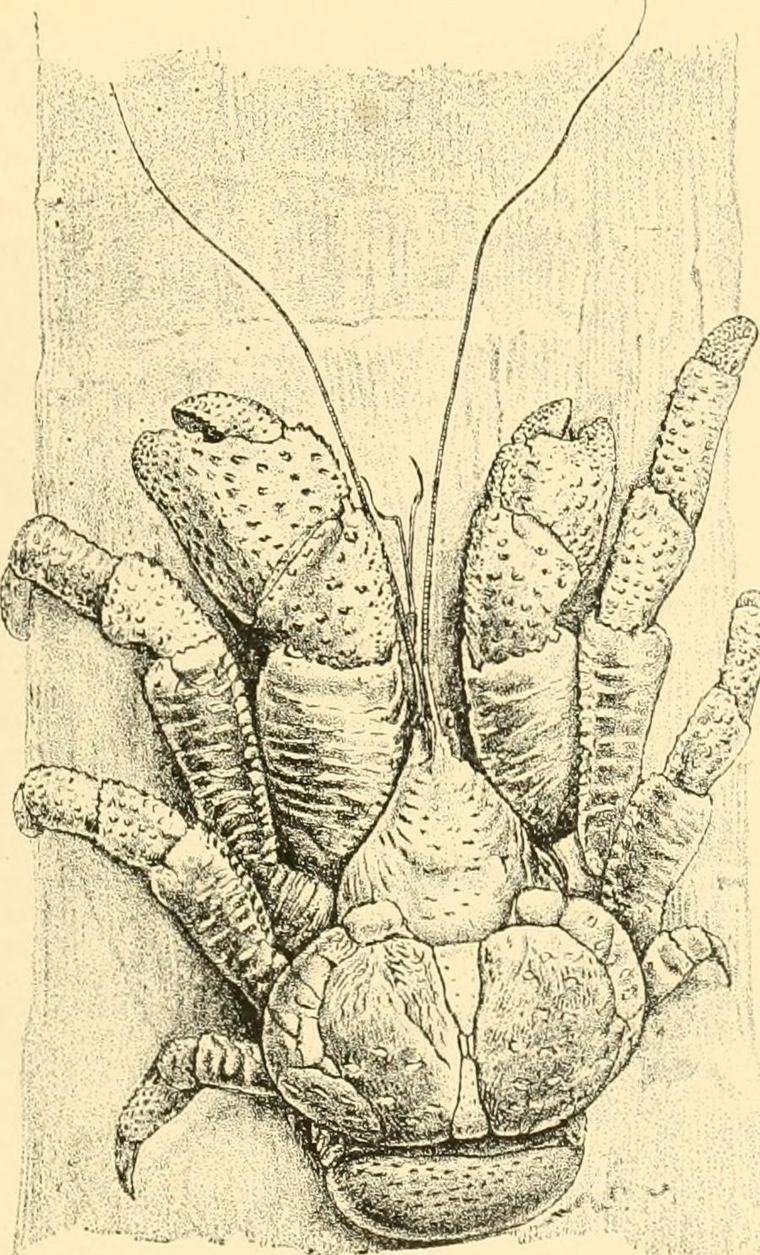
A detailed natural history illustration of a crab, showing its jointed legs, claws, and segmented body — crabs are remarkable creatures designed for life at the edge of water and land, with specialized tools for every task.
Vocabulary in Context: Ocean CreatureInternet Archive Book Images / Wikimedia Commons / CC0

Wisdom is the principal thing; therefore get wisdom: and with all thy getting get understanding.

Proverbs 4:7

Silent Letters in English

English has a tricky habit: sometimes letters appear in words but are NOT pronounced. These are called silent letters — and they appear more often than you might think!

Common silent letters:

K before N: know, knight, kneel, knife, knot, knock The k is completely silent. You say "noh" not "kuh-noh."

W before R: wrap, wrist, wrong, write, wreath The w disappears. You say "rap" not "wuh-rap."

Silent G before N: gn at the start or in the middle gnome, gnat, sign, design

Silent H at the start: honest, hour, heir You say "onest" and "our" and "air."

Silent B at the end: lamb, climb, thumb, dumb, numb, crumb

Silent T in the middle: listen, castle, often, soften Sometimes t hides between consonants.

Why do silent letters exist? English borrowed words from other languages and changed the way they sound but not how we spell them! The k in knife used to be pronounced in Old English hundreds of years ago.

When you read an unfamiliar word with these patterns, remember: some letters are just watching — they do not make a sound!

Fill in the blank: In the word wrap, which letter is silent? How do you know?

Activity: Find three words with silent letters. Write the word and circle the silent letter. Practice saying it correctly to a friend or parent.

Bible Connection: Psalm 34:11 — "Come, ye children, hearken unto me: I will teach you the fear of the LORD." Notice the h at the start of hearken is NOT silent!

Homework

Complete the reading response or writing assignment for Phonics and Reading - Lesson 4.

Note for the parent

Today's lesson covers Phonics and Reading - Lesson 4. Estimated time: 45 minutes. Encourage independent work but be available for questions.

The first three of this lesson's 10 questions

What is a SILENT LETTER?

  1. A letter that appears in a word but is not pronounced
  2. A letter that is always quiet in tone
  3. A letter that is only silent at the beginning of a word
  4. A letter that nobody understands
Show the answer

Answer: A letter that appears in a word but is not pronounced

In the word 'know,' which letter is silent?

  1. k
  2. n
  3. o
  4. w
Show the answer

Answer: k

Which of these words has a silent W?

  1. window
  2. water
  3. went
  4. wrist
Show the answer

Answer: wrist

Another 7 questions follow in the lesson itself, each one graded the moment it is answered.

What comes with the download

216 full lessons

Across 16 units, each with objectives, a teaching passage written to be read aloud, guided practice, and homework.

2,232 quiz questions

Graded the instant they are answered, each with the explanation of why that answer is right.

A gradebook that works

Every score kept, a running average maintained, and a breakdown unit by unit — all in the file itself, nothing sent anywhere.

Progress and attendance

Tick lessons off as they are finished, watch the completion bar fill, and mark days present, absent, or excused.

Report card and certificate

Both printable, with your student's name, the grades, and the dates already filled in.

Backup you control

Export every record to a file you keep, and read it back later. A lost browser cache cannot take the year with it.

An answer key

Hidden from the student by default, there for the parent marking the work.

Nothing that phones home

No ads, no affiliate links, no analytics, no fonts fetched from elsewhere. Unplug the network cable and every one of these files still works.

What you will need

Drawn from the materials named across all 216 lessons of this course. Most families already own most of it.

Download English Language Arts — Grade 3

Free, and free of everything else. 19 files, 34.9 MB in total. No account, no email address, no payment. What you download carries no advertising, no affiliate links and no tracking of any kind.

Photo credits

Every photograph on this page is used under a free licence, and is credited here as that licence requires. Photographs are part of the curriculum itself, so they travel with the download as well.