A practical, self-paced elective on running a household: cooking, budgeting, sewing, laundry, hospitality, and child care.
Elective Self-paced. It is not part of the daily schedule, so it can be taken over a summer, spread across a year, or left out entirely.
One course, offered four ways. Home Economics is self-paced, and the same course is listed under Grade 9, Grade 10, Grade 11 and Grade 12 so it can be counted as a credit in whichever year a family takes it. The lessons are identical; take it whenever it suits.
This elective teaches the ordinary work of keeping a home. It opens with a biblical view of the household, setting goals, building routines, and dividing responsibilities fairly by age and ability. From there it covers family budgeting, tracking expenses, emergency funds and staying out of debt, meal planning and grocery shopping by unit price, kitchen safety and knife skills and cooking and baking, hand sewing and mending and an introduction to the sewing machine, laundry sorting and care labels and stain removal, cleaning routines and decluttering, hospitality and table manners and thank-you notes, child care and babysitting, and a closing unit on simple repairs, household documents, and emergency preparedness. Each lesson opens with a verse from the King James Bible, and the themes that come up most often are stewardship, diligence, contentment, and welcoming others.
The course is 10 units of 10 lessons each, 100 lessons in all, self-paced rather than tied to a daily schedule. A lesson is a short reading, usually 350 to 700 words, followed by a ten-question multiple-choice quiz that grades itself. The writing is plain and specific rather than general: it gives the water temperatures that set a blood stain versus lift it, the claw grip that keeps fingertips away from a knife blade, the reason a sewing machine must be threaded with the presser foot raised, and real dollar figures for a first emergency fund. It assumes no prior experience in the kitchen or at a machine, and it presents these as skills for any student rather than as work belonging to one role in the family.
A few practical notes. This is a reading and study course, not a supervised hands-on program, and most of its value comes from your student actually doing the work at home: cooking a real dinner, mending a real seam, keeping a real budget on paper. Several lessons describe work that deserves your supervision the first few times, including sharp knives, a hot stove and oven, an iron, and a sewing machine. Unit 7, on cleaning routines and organization, is noticeably shorter and lighter than the other nine units, so expect to fill it out with your own household standards. Unit 9 covers caring for young children, including safety-proofing, simple first aid, and guiding behavior with patience rather than harshness; it is written for a teen preparing to babysit, and it is worth reading alongside your student so the counsel matches your own. Dollar amounts, appliances, and emergency advice assume North America.
What the course covers
A biblical view of the home, household goals, and daily routines
Family budgeting, emergency funds, giving, and avoiding debt
Meal planning, unit pricing, pantry stocking, and reducing waste
Kitchen safety, knife skills, cooking methods, and basic baking
Hand sewing, mending, hemming, and using a sewing machine
Laundry sorting, fabric care labels, stain removal, and ironing
Cleaning routines, decluttering, and home organization
Hospitality, table setting, manners, and written correspondence
Child development, home safety, simple first aid, and babysitting
Simple home repairs, household documents, and emergency preparedness
What your student will be able to do
Build a monthly household budget and track income and expenses against it
Plan a week of meals and shop for them within a set grocery budget
Cook simple meals and bake bread safely by reading and following a recipe
Mend clothing by hand, sew on a button, hem a garment, and run a sewing machine
Sort, wash, and treat laundry so that clothing lasts longer
Care for a young child responsibly, including routines, safety, and basic first aid
Scope and sequence
All 10 units of Home Economics for Grade 9, in the order they are taught.
Units in this course, in teaching order
Unit
Covers
Lessons
Questions
Jump to lessons
Unit 1
Building a Godly Home — Biblical Foundations & Life Management
These photographs appear in the lessons themselves, not just on this page. Every one is freely licensed and credited to its photographer at the foot of this page.
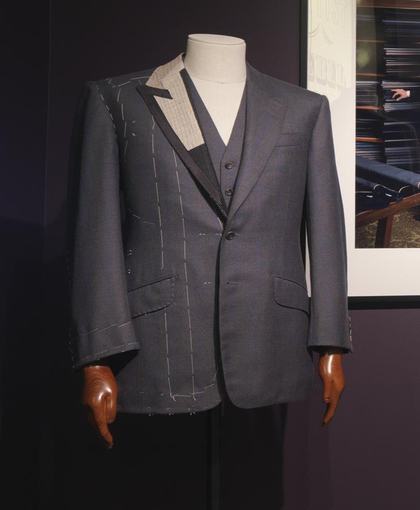
What Is Home Economics? A Biblical View of the HomeChris Olszewski / Wikimedia Commons / CC BY-SA 4.0Reading Grocery Store Sales and Unit Prices<a href="//commons.wikimedia.org/wiki/User:Chive_Cream_Cheese" title="User:Chive Cream Cheese">Tessa Bury</a> / Wikimedia Commons / CC BY 4.0Altering Clothing to FitPhotographer for Rhode Island School of Design Museum of Art / Wikimedia Commons / CC0Celebrating Holidays and Traditions at HomeDietmar Rabich / Wikimedia Commons / CC BY-SA 4.0
Every lesson, by title
All 100 lesson titles are listed here — nothing is withheld until you download. Open a unit to read its contents.
Unit 1: Building a Godly Home — Biblical Foundations & Life Management 10 lessons
1What Is Home Economics? A Biblical View of the Home10 q
9Managing Household Guests and Overnight Visitors10 q
10Building a Culture of Welcome in Your Home10 q
Unit 9: Child Care & Development — Safety, Nutrition & Building Healthy Routines 10 lessons
1Understanding Basic Child Development Stages10 q
2Safety-Proofing a Home for Children10 q
3Basic Feeding and Nutrition for Children10 q
4Simple First Aid for Common Childhood Mishaps10 q
5Establishing Routines for Children10 q
6Reading and Playing with Young Children10 q
7Discipline and Guidance with Love10 q
8Babysitting Basics and Responsibilities10 q
9Helping Children Learn Household Chores10 q
10Preparing for the Responsibility of Caregiving10 q
Unit 10: Home Maintenance & Emergency Preparedness — Repairs, Tools & Safety Planning 10 lessons
1Basic Home Repairs Every Household Should Know10 q
2Simple Tool Kit for the Home10 q
3Emergency Preparedness at Home10 q
4Organizing Important Household Documents10 q
5Meal Planning for Emergencies10 q
6Combining Skills: A Week in a Well-Run Home10 q
7Teaching These Skills to Others10 q
8Balancing Home Skills with Other Responsibilities10 q
9Home Economics as Lifelong Learning10 q
10Stewardship Review: Managing What God Has Given10 q
One whole lesson, exactly as it comes
This is a real lesson taken from the middle of the course — the teaching text, the practice, the homework, and the first three quiz questions with their answers. It is not a marketing excerpt.
Unit 6: Laundry & Textile Care — Washing, Stain Removal & Garment Maintenance · Lesson 1
Sorting Laundry Correctly
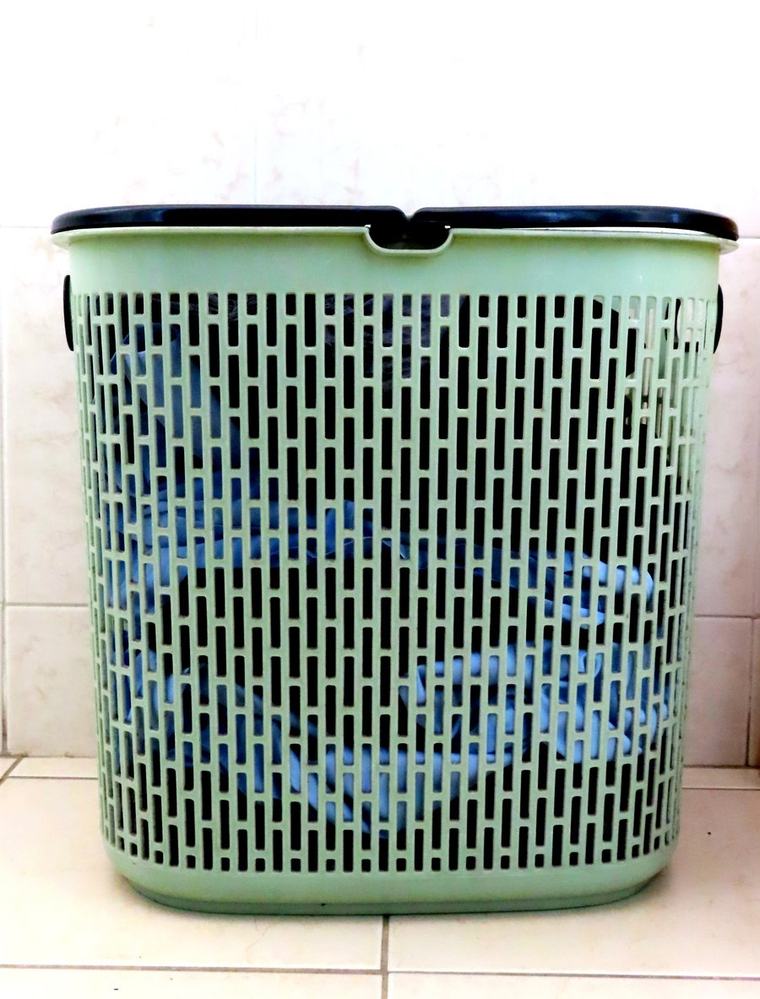
Sorting Laundry CorrectlyPauloleong2002 / Wikimedia Commons / CC BY-SA 4.0
Why Sorting Matters
Sorting laundry before washing is one of the most critical steps in clothing care. Many people rush through this step, mixing everything together, but taking five extra minutes to sort properly prevents fading, color bleeding, damage to delicate fabrics, and extends the life of your entire wardrobe. The Bible teaches us in Proverbs 31:27 that a wise woman "looketh well to the ways of her household." This means paying careful attention to the details of managing your home. Proper laundry sorting is a practical way to demonstrate this stewardship and wisdom.
Sorting by Color
The most important sort is by color. Separate whites, lights, brights, and darks into different piles. Whites should always wash separately because they can easily pick up dyes from colored fabrics. Never assume a dark item won't bleed—even navy and black garments can release color, especially when new. Bright reds and dark blues should be washed together away from lighter colors. Warm or cool water helps preserve color brightness; whites can handle hot water to restore brilliance.
Sorting by Fabric Type and Weight
Fabric types require different wash settings. Delicate items like lingerie, athletic wear with spandex, and fine knits need gentler washing than sturdy cotton T-shirts, jeans, and work clothes. Heavy fabrics like denim and towels can damage delicate garments if tumbled together in the washer. Synthetics often require lower heat than cotton. Group similar weights and fabric contents together so you can use appropriate water temperature and wash cycle settings for each load.
Soil Level Sorting
Heavily soiled items should wash separately from lightly soiled everyday clothes. Work clothes, exercise wear, and stained items may need extra water volume or longer wash cycles. Washing them with clean clothes can transfer dirt and cause those clean garments to look dingy. If you have only a few heavily soiled items, they can often be pretreated and added to a regular load, but deeply soiled items deserve their own cycle.
Preparation Before Washing
Once you've sorted into piles, inspect each item carefully. Check every pocket for phones, money, tissues, candy wrappers, and other forgotten items. A tissue left in a pocket will shred during washing and cover all your clothes with white fuzz. Turn inside-out any garments with screen prints or embroidered designs to protect them from fading and wear. Button all buttons on shirts and zip all zippers to prevent snagging and damage. Flip jeans inside-out to reduce fading. These few moments of care make a significant difference in how long your clothes remain looking fresh.
Conclusion
Effective sorting is the foundation of good laundry management. It's not a step to skip or rush through. When you sort carefully—by color, fabric type, weight, and soil level—you're demonstrating the biblical principle of thoughtful stewardship over the resources God has given you. Your clothes will last longer, look better, and your washing machines will work more efficiently too.
The first three of this lesson's 10 questions
According to Proverbs 31:27, what does a wise woman do regarding her household?
She buys new clothes instead of caring for old ones
She ignores the details and manages quickly
She looketh well to the ways of her household
She avoids doing laundry entirely
Show the answer
Answer: She looketh well to the ways of her household
Why is it important to separate whites from colored clothes?
To prevent color bleeding and fading
Because dryers cannot handle mixed colors
It makes laundry take longer
Because white clothes need hot water only
Show the answer
Answer: To prevent color bleeding and fading
Which of the following should be washed separately from heavy fabrics like jeans and towels?
Work clothes and exercise wear
Delicate items like lingerie and fine knits
Dark-colored everyday clothing
Light-colored cotton shirts
Show the answer
Answer: Delicate items like lingerie and fine knits
Another 7 questions follow in the lesson itself, each one graded the moment it is answered.
What comes with the download
100 full lessons
Across 10 units, each with objectives, a teaching passage written to be read aloud, guided practice, and homework.
1,000 quiz questions
Graded the instant they are answered, each with the explanation of why that answer is right.
A gradebook that works
Every score kept, a running average maintained, and a breakdown unit by unit — all in the file itself, nothing sent anywhere.
Progress and attendance
Tick lessons off as they are finished, watch the completion bar fill, and mark days present, absent, or excused.
Report card and certificate
Both printable, with your student's name, the grades, and the dates already filled in.
Backup you control
Export every record to a file you keep, and read it back later. A lost browser cache cannot take the year with it.
An answer key
Hidden from the student by default, there for the parent marking the work.
Nothing that phones home
No ads, no affiliate links, no analytics, no fonts fetched from elsewhere. Unplug the network cable and every one of these files still works.
What you will need
Drawn from the materials named across all 100 lessons of this course. Most families already own most of it.
No lesson in this course names a material of its own, so there is nothing to buy before you begin. The Grade 9 supply list gathers what the rest of the year needs.
Download Home Economics — Grade 9
Free, and free of everything else. 17 files, 43.3 MB in total. No account, no email address, no payment. What you download carries no advertising, no affiliate links and no tracking of any kind.
Use it on a screen
Open any of these straight from a folder or a USB stick. They run in the browser with the network cable unplugged, and nothing is ever sent anywhere.
Every photograph on this page is used under a free licence, and is credited here as that licence requires. Photographs are part of the curriculum itself, so they travel with the download as well.
What Is Home Economics? A Biblical View of the Home — Chris Olszewski / Wikimedia Commons / CC BY-SA 4.0
Reading Grocery Store Sales and Unit Prices — <a href="//commons.wikimedia.org/wiki/User:Chive_Cream_Cheese" title="User:Chive Cream Cheese">Tessa Bury</a> / Wikimedia Commons / CC BY 4.0
Altering Clothing to Fit — Photographer for Rhode Island School of Design Museum of Art / Wikimedia Commons / CC0
Celebrating Holidays and Traditions at Home — Dietmar Rabich / Wikimedia Commons / CC BY-SA 4.0