A self-paced course on caring for woodland and acreage: trees, wildlife, soil, water, fire, and long-term planning.
Elective Self-paced. It is not part of the daily schedule, so it can be taken over a summer, spread across a year, or left out entirely.
One course, offered four ways. Forestry & Land Stewardship is self-paced, and the same course is listed under Grade 9, Grade 10, Grade 11 and Grade 12 so it can be counted as a credit in whichever year a family takes it. The lessons are identical; take it whenever it suits.
This elective teaches a student how to look after a piece of wooded ground. It opens with the biblical groundwork, dominion and stewardship in Genesis, the Sabbath rest commanded for the land in Leviticus, trees in Scripture, and the difference between sustainable use and exploitation. From there it moves into how a forest actually works, its layers and soil and water cycles and decomposers, then tree identification by leaf, bark, silhouette, and field key, forest health and the invasive species and pests and storm and drought damage that threaten it, sustainable forestry and woodlot management, wildlife habitat, fire stewardship, soil and water protection, trails and hospitality on your own land, and finally the long view: writing a stewardship plan, keeping maps and records, working with conservation programs, and passing land down well. Each lesson opens with a verse from the King James Bible.
The course is 10 units of 10 lessons each, 100 lessons in all, self-paced rather than tied to a daily schedule. A lesson is a short reading, most of them 300 to 650 words, followed by a ten-question multiple-choice quiz that grades itself. The writing is plain high school prose that defines its terms as it goes, and it assumes no prior background. Nothing has to be bought to finish the course. It is written, though, for someone who has land or hopes to, and it will mean much more to a student who can walk a woodlot, start a tree journal, and put a field guide to use.
A few things you should know before starting. Unit 6 includes a lesson on hunting and trapping treated as wildlife management: regulated seasons, legal limits, sustainable harvest rates, taking only a shot you are confident in so the animal does not suffer, using all the usable meat, and checking traps daily. It is framed as provision and land management rather than sport, and it does discuss dispatching animals humanely. Unit 7 is given to fire, covering wildfire risk, defensible space around buildings, firebreaks, fire weather, what to do in a wildfire emergency, and controlled burns; that lesson states plainly that a controlled burn is professional work the student will not be doing themselves. Safety is handled the same way elsewhere: the tree felling lesson exists mainly to say that in-person chainsaw and felling training from a qualified instructor is not optional, and that this is adult work with proper protective gear. Species, regulations, agencies, and conservation programs discussed are North American.
What the course covers
Biblical stewardship, dominion, and Sabbath rest for the land
Forest ecosystems, layers, water cycles, and biodiversity
Tree identification by leaf, bark, silhouette, and field key
Invasive species, insect pests, drought, and storm damage
Sustainable forestry, selective cutting, and reading a woodlot
Felling safety, milling lumber, and seasoning firewood
Wildlife habitat, native plants, and regulated hunting and trapping
Wildfire risk, defensible space, firebreaks, and controlled burns
Soil health, erosion control, riparian buffers, and watersheds
Trails, land access, stewardship plans, and succession
What your student will be able to do
Identify common North American trees using bark, leaves, and a dichotomous key
Assess a woodlot for health and recognize invasive species and pest damage
Plan sustainable cutting, replanting, and a firewood seasoning schedule
Evaluate wildfire risk and create defensible space around buildings
Protect soil and water with riparian buffers and erosion control on slopes and trails
Write a land stewardship plan and think through passing land to the next generation
Scope and sequence
All 10 units of Forestry & Land Stewardship for Grade 9, in the order they are taught.
Units in this course, in teaching order
Unit
Covers
Lessons
Questions
Jump to lessons
Unit 1
Stewardship & Dominion: Biblical Foundations for Forest Care
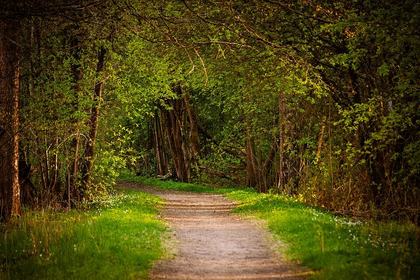
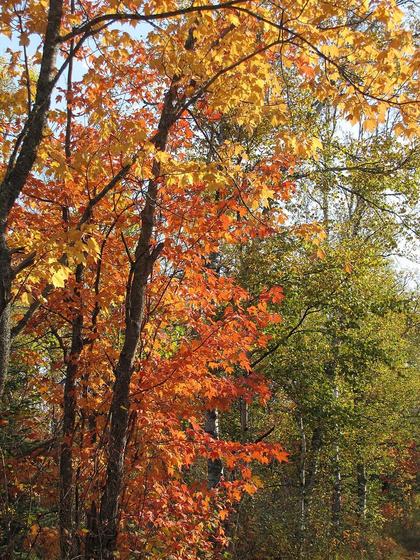
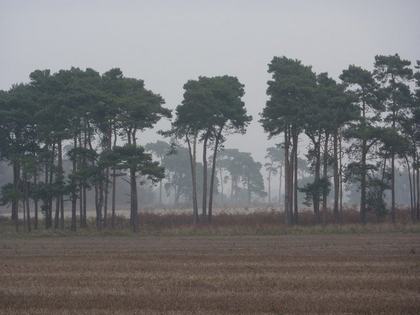
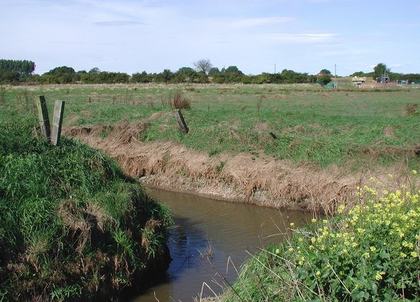
These photographs appear in the lessons themselves, not just on this page. Every one is freely licensed and credited to its photographer at the foot of this page.
Dominion and Stewardship: Genesis 1-2 and the LandSanzzu / Wikimedia Commons / CC BY-SA 4.0Common Deciduous Trees of North AmericaIan Paterson / Wikimedia Commons / CC BY-SA 2.0Timber as a Long-Term InvestmentForest Service - Northern Region / Wikimedia Commons / Public domainStreams and Riparian BuffersPaul Glazzard / Wikimedia Commons / CC BY-SA 2.0
Every lesson, by title
All 100 lesson titles are listed here — nothing is withheld until you download. Open a unit to read its contents.
Unit 1: Stewardship & Dominion: Biblical Foundations for Forest Care 10 lessons
1Dominion and Stewardship: Genesis 1-2 and the Land10 q
2The Sabbath Rest for the Land10 q
3Caring for Creation as Worship10 q
4Trees in Scripture: From Eden to Revelation10 q
5Why Forests and Land Matter to a Homestead10 q
6Sustainable Use vs. Exploitation10 q
7Land as a Legacy for Future Generations10 q
8Wisdom Literature on Trees and Nature10 q
9Balancing Use and Preservation10 q
10Building Your Own Land Stewardship Ethic10 q
Unit 2: Forest Ecosystems: Layers, Water, Wildlife & Health 10 lessons
1What Is a Forest Ecosystem?10 q
2Layers of a Forest: Canopy to Forest Floor10 q
3The Role of Soil in Forest Health10 q
4Water Cycles in a Forest10 q
5Forest Types: Deciduous, Coniferous, and Mixed10 q
6Wildlife in the Forest Ecosystem10 q
7Decomposers and the Forest Floor10 q
8How Forests Support Biodiversity10 q
9Forests and Local Climate10 q
10Observing a Forest Ecosystem Firsthand10 q
Unit 3: Know Your Trees: Identification & Field Study 10 lessons
1Why Learn to Identify Trees?10 q
2Leaf Shapes and Patterns10 q
3Bark Identification10 q
4Identifying Trees by Silhouette and Growth Habit10 q
5Common Deciduous Trees of North America10 q
6Common Coniferous Trees of North America10 q
7Fruit and Nut Trees10 q
8Using a Field Guide or Identification Key10 q
9Seasonal Changes and Identification10 q
10Building Your Own Tree Journal10 q
Unit 4: Forest Health: Recognizing Threats & Restoration 10 lessons
1Signs of a Healthy Forest10 q
2Invasive Species and Their Impact10 q
3Insect Pests and Tree Disease10 q
4Drought Stress in Trees10 q
5Storm Damage and Recovery10 q
6Deer Overpopulation and Forest Regeneration10 q
7Human Impact: Development and Fragmentation10 q
8Monitoring Forest Health Over Time10 q
9When and How to Remove a Diseased Tree10 q
10Restoring a Damaged Forest Area10 q
Unit 5: Sustainable Forestry: From Timber to Stewardship 10 lessons
1What Is Sustainable Forestry?10 q
2Selective Cutting vs. Clear-Cutting10 q
3Reading a Woodlot: Assessing What You Have10 q
4Basic Tree Felling Safety10 q
5Milling Your Own Lumber10 q
6Firewood: Selecting and Seasoning Wood10 q
7Replanting and Reforestation10 q
8Working with a Professional Forester10 q
9Timber as a Long-Term Investment10 q
10Stewarding a Woodlot for the Next Generation10 q
Unit 6: Wildlife Habitat: Creating Space for God's Creatures 10 lessons
1Why Wildlife Habitat Matters10 q
2Food, Water, Shelter, and Space: The Basics of Habitat10 q
3Managing Land for Deer and Game Animals10 q
4Songbirds and Habitat Diversity10 q
5Ponds and Wetlands on Your Property10 q
6Creating Brush Piles and Edge Habitat10 q
7Native Plants for Wildlife10 q
8Managing Predators and Pests Responsibly10 q
9Hunting and Trapping as Land Stewardship10 q
10Balancing Wildlife Needs with Other Land Uses10 q
Unit 7: Fire Stewardship: Safety, Burns & Land Management 10 lessons
1The Role of Fire in Land Management10 q
2Wildfire Risk Factors10 q
3Creating Defensible Space Around Structures10 q
4Controlled Burns: Purpose and Safety10 q
5Firebreaks and Land Planning10 q
6Fire Weather: Wind, Humidity, and Drought10 q
7What to Do in a Wildfire Emergency10 q
8Working with Local Fire Authorities10 q
9Recovery After a Fire10 q
10Fire Stewardship as a Community Responsibility10 q
Unit 8: Soil & Water: Protecting Your Land's Foundation 10 lessons
8Teaching Children to Enjoy and Respect the Land10 q
9Nature Study and Outdoor Education10 q
10Rest, Recreation, and Sabbath in Creation10 q
Unit 10: Lifetime Planning: Succession & Faithful Stewardship 10 lessons
1Writing a Land Stewardship Plan10 q
2Setting Goals for Your Property10 q
3Mapping and Recordkeeping for Your Land10 q
4Working with Government and Conservation Programs10 q
5Passing Land Down: Succession Planning10 q
6Land Trusts and Conservation Easements10 q
7Balancing Income, Recreation, and Conservation Goals10 q
8Learning from Other Landowners and Foresters10 q
9Adapting Your Plan Over Time10 q
10A Lifetime of Faithful Land Stewardship10 q
One whole lesson, exactly as it comes
This is a real lesson taken from the middle of the course — the teaching text, the practice, the homework, and the first three quiz questions with their answers. It is not a marketing excerpt.
Unit 6: Wildlife Habitat: Creating Space for God's Creatures · Lesson 1
Wildlife habitat is not a luxury or something only nature lovers care about—it's foundational to stewardship. When God placed humanity in the Garden of Eden, He gave us dominion over the animals and responsibility to tend the land. This wasn't permission to exploit; it was a calling to care wisely. A righteous person shows regard for the life of his beasts, meaning we're accountable for how we treat the creatures that depend on the land we manage.
Why Your Land Matters
Every forest, meadow, pond, and thicket you own or work with is a piece of God's creation. Wildlife habitat management isn't complicated at first—it begins with understanding that animals need specific things to survive. When you provide those things intentionally, you're practicing biblical stewardship. You're making your land productive for more than just human use. This changes how you think about every acre.
Wildlife also provides practical benefits beyond spiritual obedience. Songbirds control insect populations. Pollinators make gardens and crops thrive. Predators like hawks keep rodent populations in check. When you manage habitat, you're supporting a natural balance that reduces problems and increases productivity across your whole property.
The Connection to Food and Provision
For many families, wildlife management connects directly to food. Deer, wild birds, fish in your ponds—these represent genuine provision. Hunting and trapping, done legally and humanely, can fill your freezer and feed your family. But more importantly, it teaches you to think long-term: if you want deer to flourish this year, you must manage habitat so they'll thrive. This cycles back to the basic principle that we don't just take from the land—we care for it to ensure ongoing blessing.
Developing a Steward's Mindset
Wildlife habitat management starts with asking the right questions: What animals live here or should live here? What do they need? How can my land be more useful to them—and to my family—if I invest in habitat? This isn't romantic thinking; it's practical wisdom. A farmer who clears every bush sees fewer birds and more insects. A landowner who plans a habitat corridor sees deer herds, hears songbirds, and enjoys healthier land.
Looking Ahead
In this unit, you'll learn the practical tools: how to read what animals need, how to build specific habitats, how to use native plants, and how to make hard choices when priorities compete. You'll discover that good habitat management isn't just about wildlife—it's about building a flourishing, productive piece of creation that honors God and feeds your family.
Start viewing your property not just as yours, but as a trust. The animals depend on your decisions. That responsibility is also your privilege.
The first three of this lesson's 10 questions
According to Proverbs 12:10, what does a righteous person do regarding the life of his beast?
He regardeth the life of his beast
He uses them only when necessary for food
He honors all creatures as equal to human life
He releases all domestic animals to the wild
Show the answer
Answer: He regardeth the life of his beast
What was God's original instruction to humanity regarding creation?
To have dominion and tend the land with care
To preserve nature without any human use
To use animals without any limit
To exploit all natural resources for profit
Show the answer
Answer: To have dominion and tend the land with care
Which is NOT mentioned as a practical benefit of wildlife habitat management?
Wildlife eliminating all human diseases
Animals providing food for families
Predators keeping rodent numbers low
Songbirds controlling insect populations
Show the answer
Answer: Wildlife eliminating all human diseases
Another 7 questions follow in the lesson itself, each one graded the moment it is answered.
What comes with the download
100 full lessons
Across 10 units, each with objectives, a teaching passage written to be read aloud, guided practice, and homework.
1,000 quiz questions
Graded the instant they are answered, each with the explanation of why that answer is right.
A gradebook that works
Every score kept, a running average maintained, and a breakdown unit by unit — all in the file itself, nothing sent anywhere.
Progress and attendance
Tick lessons off as they are finished, watch the completion bar fill, and mark days present, absent, or excused.
Report card and certificate
Both printable, with your student's name, the grades, and the dates already filled in.
Backup you control
Export every record to a file you keep, and read it back later. A lost browser cache cannot take the year with it.
An answer key
Hidden from the student by default, there for the parent marking the work.
Nothing that phones home
No ads, no affiliate links, no analytics, no fonts fetched from elsewhere. Unplug the network cable and every one of these files still works.
What you will need
Drawn from the materials named across all 100 lessons of this course. Most families already own most of it.
No lesson in this course names a material of its own, so there is nothing to buy before you begin. The Grade 9 supply list gathers what the rest of the year needs.
Download Forestry & Land Stewardship — Grade 9
Free, and free of everything else. 17 files, 67.1 MB in total. No account, no email address, no payment. What you download carries no advertising, no affiliate links and no tracking of any kind.
Use it on a screen
Open any of these straight from a folder or a USB stick. They run in the browser with the network cable unplugged, and nothing is ever sent anywhere.
Every photograph on this page is used under a free licence, and is credited here as that licence requires. Photographs are part of the curriculum itself, so they travel with the download as well.
Dominion and Stewardship: Genesis 1-2 and the Land — Sanzzu / Wikimedia Commons / CC BY-SA 4.0
Common Deciduous Trees of North America — Ian Paterson / Wikimedia Commons / CC BY-SA 2.0
Timber as a Long-Term Investment — Forest Service - Northern Region / Wikimedia Commons / Public domain
Streams and Riparian Buffers — Paul Glazzard / Wikimedia Commons / CC BY-SA 2.0
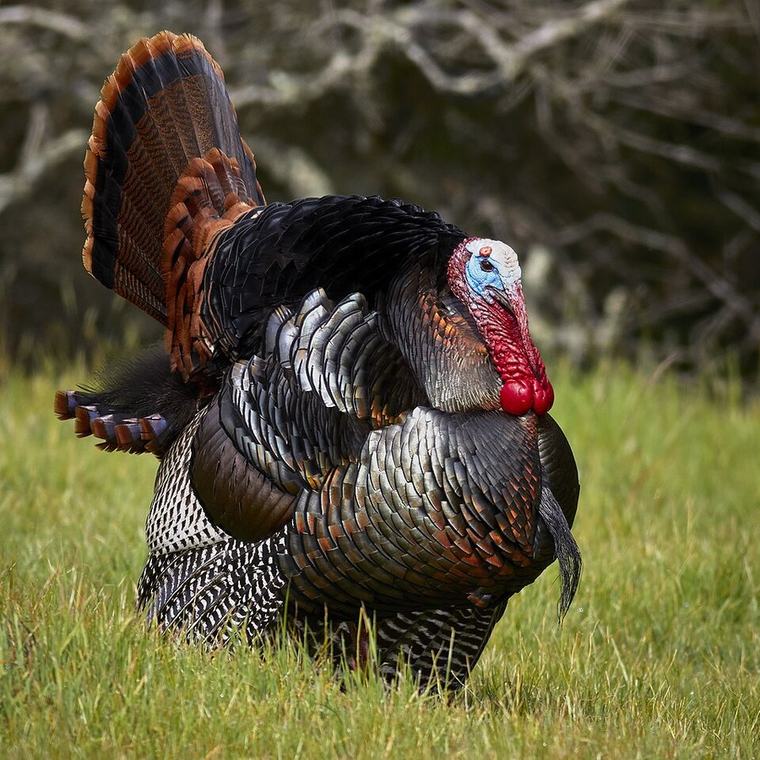
Why Wildlife Habitat Matters — Frank Schulenburg / Wikimedia Commons / CC BY-SA 4.0