A self-paced course in home canning, drying, fermenting, and cold storage, taught to USDA-tested safety standards.
Elective Self-paced. It is not part of the daily schedule, so it can be taken over a summer, spread across a year, or left out entirely.
One course, offered four ways. Food Preservation & Canning is self-paced, and the same course is listed under Grade 9, Grade 10, Grade 11 and Grade 12 so it can be counted as a credit in whichever year a family takes it. The lessons are identical; take it whenever it suits.
This elective covers the whole range of putting food by at home. It begins with the science a preserver has to know before touching a jar: how bacteria, mold, and yeast spoil food, kitchen and steam safety, the basic equipment, why a tested recipe must be followed exactly, and the difference between acid and low-acid foods. From there it works through water bath canning for high-acid foods, pressure canning for low-acid foods, jams and jellies and fruit butters, canning vegetables and tomatoes and broths, vinegar pickling and lacto-fermentation, dehydrating fruit and vegetables and herbs and jerky, root cellars and cold storage, freezing and smoking, and finally pantry planning, budgeting, record-keeping, and sharing what you put up. Each lesson opens with a verse from the King James Bible, and the theme running through the course is stewardship, not wasting what God provides, and prudence about a family's health.
The course is 10 units of 10 lessons each, 100 lessons in all, self-paced rather than tied to a daily schedule. A lesson is a short reading, most of them 300 to 800 words, followed by a ten-question multiple-choice quiz that grades itself. The prose is plain and defines its terms as it goes. Throughout, the course teaches USDA-based methods and points the student to the current USDA Complete Guide to Home Canning, the National Center for Home Food Preservation, and your state Cooperative Extension Service for the actual tested recipes and altitude tables. It says repeatedly, and means it, that canning recipes are not to be invented or adjusted at home.
Please read this part before your student begins. Canning is safety-critical work. The dividing line is acidity: fruits, jams, vinegar pickles, and properly acidified tomatoes are high-acid and can be processed in a boiling water bath, but low-acid foods such as green beans, corn, carrots, potatoes, pumpkin, meat, poultry, and broth must be processed in a pressure canner, because the spores of Clostridium botulinum survive boiling water and can produce a deadly toxin inside a sealed jar. The course teaches this plainly and gives a full lesson to botulism awareness. It does not soften it, and neither should we: reading this course does not by itself make anyone competent to can safely. Actually doing the work requires the right equipment, which means proper canning jars with new flat lids, a water bath canner, and a pressure canner with a dial or weighted gauge for anything low-acid, and it should be done alongside an experienced adult with a current tested recipe in hand and the altitude adjustment worked out for your elevation. Several other lessons also call for adult supervision on their own account, including jerky and smoking, which involve raw meat and a food thermometer, and fermentation, which depends on weighing salt accurately. That said, all 100 lessons and every quiz can be completed as reading and study without preserving anything, and working through the course first is a sensible way for you and your family to decide what you are ready to take on. Recipes, equipment, regulations, and altitude guidance assume North America.
What the course covers
Spoilage science, pH, and the acid versus low-acid divide
Water bath canning: jars, headspace, processing times, and seals
Pressure canning, gauge types, and botulism prevention
Jams, jellies, pectin, and fruit butters
Canning vegetables, tomatoes, soups, and broths
Vinegar pickling and salt-brine fermentation
Dehydrating fruit, vegetables, herbs, and safe jerky
Root cellars, curing, and cold storage
Freezing, blanching, and hot and cold smoking
Pantry planning, rotation, record-keeping, and cost savings
What your student will be able to do
Tell a high-acid food from a low-acid one and choose the correct canning method
Follow a tested recipe exactly, including headspace, processing time, and altitude adjustment
Operate a water bath canner and a pressure canner through venting, processing, and cooling
Check seals, label and date jars, and recognize food that must be thrown out
Ferment vegetables safely using correct salt ratios and clean equipment
Plan and rotate a year's pantry around what your family actually eats
Scope and sequence
All 10 units of Food Preservation & Canning for Grade 9, in the order they are taught.
Units in this course, in teaching order
Unit
Covers
Lessons
Questions
Jump to lessons
Unit 1
Foundations of Food Preservation — Safety, Science & Planning
These photographs appear in the lessons themselves, not just on this page. Every one is freely licensed and credited to its photographer at the foot of this page.
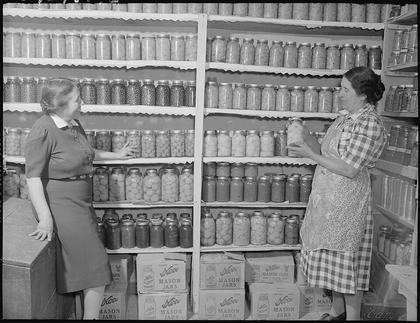
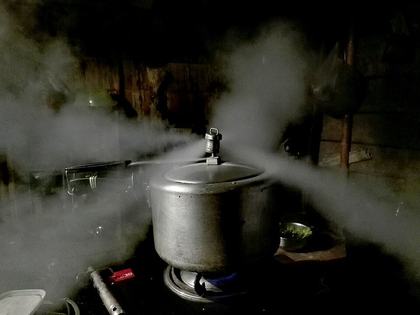
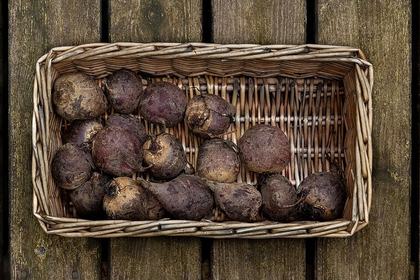
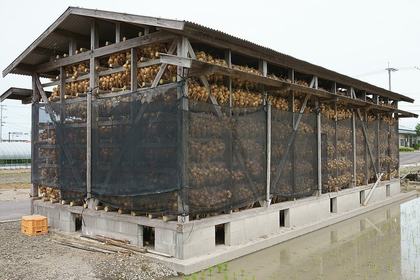
Why Preserve Food? Stewardship and Self-SufficiencyU.S. National Archives (NARA) / Wikimedia Commons / No known copyright restrictions (public domain)Venting and Building PressureNayan j Nath / Wikimedia Commons / CC BY-SA 4.0Canning Corn and Root VegetablesW.carter / Wikimedia Commons / CC BY-SA 4.0Curing Vegetables for StoragePekachu / Wikimedia Commons / CC BY-SA 4.0
Every lesson, by title
All 100 lesson titles are listed here — nothing is withheld until you download. Open a unit to read its contents.
Unit 1: Foundations of Food Preservation — Safety, Science & Planning 10 lessons
1Why Preserve Food? Stewardship and Self-Sufficiency10 q
2A Brief History of Food Preservation10 q
3Understanding Spoilage: Bacteria, Mold, and Yeast10 q
4Kitchen Safety Basics for Preserving10 q
5Essential Equipment for the Home Preserver10 q
6Reading and Trusting Tested Recipes10 q
7Acid Foods vs. Low-Acid Foods10 q
8Planning Your Preservation Season10 q
9Sourcing Produce: Garden, Market, and Bulk Buying10 q
10Building a Preservation Pantry Plan10 q
Unit 2: Water Bath Canning — Fruits & High-Acid Foods 10 lessons
1What Is Water Bath Canning?10 q
2Jars, Lids, and Bands: Choosing the Right Equipment10 q
Unit 10: Pantry Mastery & Food Safety — Planning Your Preservation Year 10 lessons
1Preventing Foodborne Illness at Home10 q
2Recognizing Spoiled or Unsafe Food10 q
3Organizing a Preservation Pantry10 q
4Budgeting and Cost Savings from Preserving10 q
5Preserving as a Family Skill and Tradition10 q
6Sharing and Gifting Preserved Foods10 q
7Record-Keeping: What You Preserved and When10 q
8Seasonal Planning for a Full Pantry10 q
9Emergency Preparedness Through Preservation10 q
10Stewardship Review: Not Wasting What God Provides10 q
One whole lesson, exactly as it comes
This is a real lesson taken from the middle of the course — the teaching text, the practice, the homework, and the first three quiz questions with their answers. It is not a marketing excerpt.
Unit 6: Pickling & Fermentation — Tangy, Probiotic Preservation · Lesson 1
The Difference Between Pickling and Fermenting
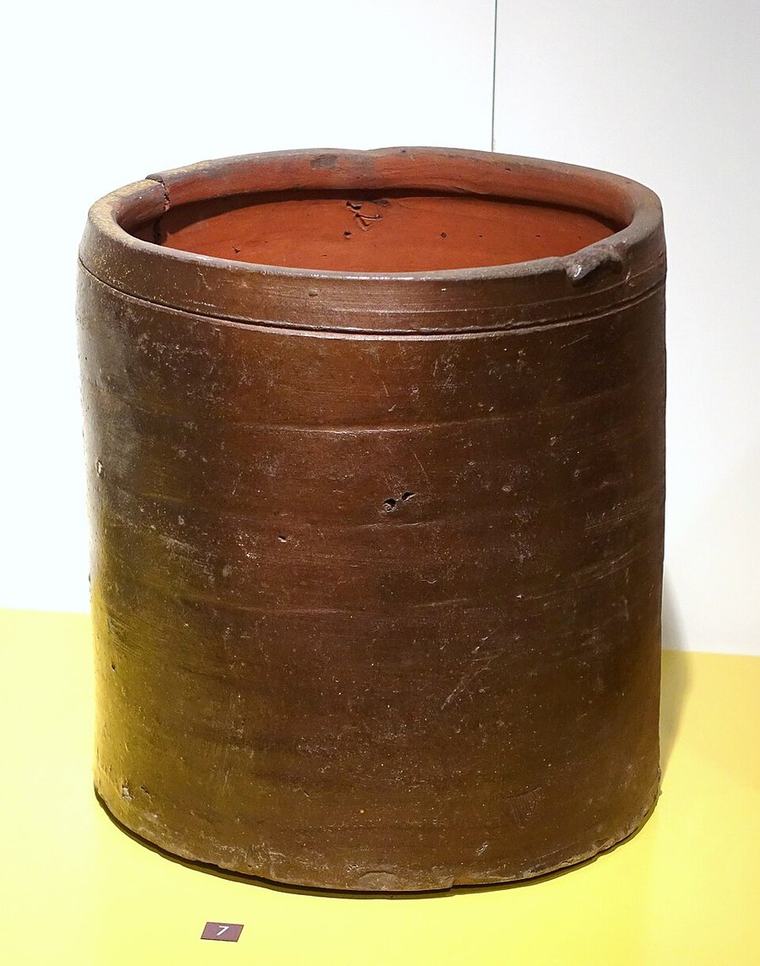
The Difference Between Pickling and FermentingDaderot / Wikimedia Commons / CC0
When you begin studying food preservation, you'll quickly discover two preservation methods that produce similar-looking results but work through completely different processes: pickling and fermentation. While both create tangy, long-lasting vegetables and fruits, understanding their distinct chemistry is essential for success. Taking time to learn these differences is an act of prudence—just as the proverb teaches us to look ahead and prepare wisely, understanding your preservation methods prevents costly mistakes with wasted ingredients and spoiled batches.
Pickling: Acid-Based Preservation
Pickling uses vinegar to preserve food. When you submerge vegetables in a vinegar-based liquid called brine, the high acidity immediately stops bacterial growth that would otherwise cause spoilage. This preservation method is rapid—you can prepare pickles within hours. The sharp, tangy flavor comes directly from the vinegar you use, and this taste remains essentially the same throughout storage. Pickled foods can last for months without refrigeration, making them excellent for long-term storage in the pantry. The process is straightforward: prepare your vegetables, heat your vinegar brine, pour it over the produce, seal the jars, and you're finished. Vinegar pickling is predictable and reliable, which makes it an excellent starting point for beginning preservers.
Fermentation: Transformation Through Time
Fermentation operates on a completely different principle. Instead of adding vinegar, you use salt and time to create conditions where beneficial microorganisms naturally multiply. These organisms work through their own life processes to create acids that preserve the food. This transformation takes patience—fermentation typically requires anywhere from several days to several weeks. However, the reward is food with developed, complex flavors that actually become more interesting as time passes. Furthermore, fermented foods retain living microorganisms that support digestive wellness, a benefit that vinegar-pickled foods don't provide since heat used in pickling kills these organisms.
Making Your Choice
Your choice between these methods depends on your goals. Do you want immediate results and consistent, reliable preservation? Pickling with vinegar is your best choice. Do you want to develop sophisticated flavors and retain living beneficial microbes? Fermentation offers these advantages if you can wait for the process to complete. Many experienced food preservers maintain both methods in their kitchen because each offers distinct benefits.
Respecting the Process
Success with either method requires respect for the underlying science. Read instructions carefully, gather quality ingredients, and follow procedures with genuine attention to detail. Careless shortcuts lead to disappointment. When you invest the time to learn correctly, you'll earn the satisfaction of shelf after shelf of beautiful, safely preserved foods that your family can enjoy throughout the year.
The first three of this lesson's 10 questions
What is the primary difference between pickling and fermentation?
Pickled foods are always healthier
Both methods require identical ingredients
Fermentation is faster than pickling
Pickling uses acid while fermentation uses salt and time
Show the answer
Answer: Pickling uses acid while fermentation uses salt and time
How quickly can you typically prepare vinegar pickles?
At least 2-3 months
Several weeks of waiting
6 months minimum
Within a few hours
Show the answer
Answer: Within a few hours
What does Proverbs 27:12 suggest about the importance of learning preservation methods?
It's not important to understand how they work
The simple approach always works best
You should rush through the process quickly
A prudent person looks ahead and prepares carefully
Show the answer
Answer: A prudent person looks ahead and prepares carefully
Another 7 questions follow in the lesson itself, each one graded the moment it is answered.
What comes with the download
100 full lessons
Across 10 units, each with objectives, a teaching passage written to be read aloud, guided practice, and homework.
1,000 quiz questions
Graded the instant they are answered, each with the explanation of why that answer is right.
A gradebook that works
Every score kept, a running average maintained, and a breakdown unit by unit — all in the file itself, nothing sent anywhere.
Progress and attendance
Tick lessons off as they are finished, watch the completion bar fill, and mark days present, absent, or excused.
Report card and certificate
Both printable, with your student's name, the grades, and the dates already filled in.
Backup you control
Export every record to a file you keep, and read it back later. A lost browser cache cannot take the year with it.
An answer key
Hidden from the student by default, there for the parent marking the work.
Nothing that phones home
No ads, no affiliate links, no analytics, no fonts fetched from elsewhere. Unplug the network cable and every one of these files still works.
What you will need
Drawn from the materials named across all 100 lessons of this course. Most families already own most of it.
No lesson in this course names a material of its own, so there is nothing to buy before you begin. The Grade 9 supply list gathers what the rest of the year needs.
Download Food Preservation & Canning — Grade 9
Free, and free of everything else. 17 files, 52.3 MB in total. No account, no email address, no payment. What you download carries no advertising, no affiliate links and no tracking of any kind.
Use it on a screen
Open any of these straight from a folder or a USB stick. They run in the browser with the network cable unplugged, and nothing is ever sent anywhere.
Every photograph on this page is used under a free licence, and is credited here as that licence requires. Photographs are part of the curriculum itself, so they travel with the download as well.
Why Preserve Food? Stewardship and Self-Sufficiency — U.S. National Archives (NARA) / Wikimedia Commons / No known copyright restrictions (public domain)
Venting and Building Pressure — Nayan j Nath / Wikimedia Commons / CC BY-SA 4.0
Canning Corn and Root Vegetables — W.carter / Wikimedia Commons / CC BY-SA 4.0
Curing Vegetables for Storage — Pekachu / Wikimedia Commons / CC BY-SA 4.0
The Difference Between Pickling and Fermenting — Daderot / Wikimedia Commons / CC0