A practical, self-paced elective on how a house works, what upkeep it needs, and when to call a professional.
Elective Self-paced. It is not part of the daily schedule, so it can be taken over a summer, spread across a year, or left out entirely.
One course, offered four ways. Home Maintenance & Repair is self-paced, and the same course is listed under Grade 9, Grade 10, Grade 11 and Grade 12 so it can be counted as a credit in whichever year a family takes it. The lessons are identical; take it whenever it suits.
This elective teaches a student how a house actually works and how to keep one in good repair. It opens with a home maintenance toolkit, a seasonal checklist, the warning signs a house gives before a small problem becomes an expensive one, and an honest chapter on knowing when to call a professional. From there it covers plumbing, including shutoff valves, leaky faucets, clogged drains, running toilets, water heaters, and frozen pipes; electrical basics, including the breaker panel, GFCI outlets, tripped breakers, cord safety, and dangerous signs; drywall patching, wall cracks, painting, and caulking; doors, windows, locks, screens, and weatherstripping; heating and cooling, air filters, insulation, ventilation, wood stoves, and carbon monoxide and smoke detectors; the exterior, including roof inspection from the ground, gutters, siding, decks, and drainage; appliance care and repair-or-replace decisions; tools, ladders, fire extinguishers, and emergency shutoffs; and a closing unit on stewardship, hiring contractors honestly, avoiding repair scams, and caring for a rental or a neighbor's home. Each lesson opens with a verse from the King James Bible, and the recurring themes are stewardship, prudence, diligence, and dealing honestly with tradesmen.
The course is 10 units of 10 lessons each, 100 lessons in all, self-paced rather than tied to a daily schedule. A lesson is a short reading, usually 300 to 700 words, followed by a ten-question multiple-choice quiz that grades itself. The writing names parts and gives real numbers rather than generalities: an extension ladder set with its base about one quarter of its height out from the wall, carbon monoxide detectors replaced every five to seven years, a repair that costs more than half the price of a new appliance usually meaning it is time to replace. This is a reading and study course, and a student can finish every lesson without picking up a tool. Much of the value depends on then doing real work around your own house, so plan on pairing the reading with actual jobs where you can.
Please read this part before deciding how your student will use the course. It teaches how home systems work and where the hard stops are; it is not a license to do dangerous work unsupervised. The electrical unit does walk through replacing a switch, outlet, or light fixture, but only with the breaker off and the circuit confirmed dead with a non-contact voltage tester, and it repeats throughout that the main panel, the service entrance, the meter, and gas lines belong to a licensed professional. The gas lesson is blunter still: if your student smells gas, the instruction is to leave the house immediately, touch no switch and no phone inside, call the gas company and 911 from outside, and let the utility or the fire department handle the shutoff, since only a qualified technician may restore gas service and relight appliances. Ladder work, power tools, roof work, mold, asbestos, and chemical storage each carry their own warnings, and the course says plainly that hesitation about a job is a reason to stop. None of that replaces you. Anything your student actually attempts should be with your knowledge, and anything involving electricity, water under pressure, heights, or a power tool should be in your presence. Codes, permits, and licensing rules vary by state and locality, and the course assumes North America.
What the course covers
Home systems overview, warning signs, and seasonal maintenance checklists
Plumbing: shutoff valves, faucets, drains, toilets, and water heaters
Electrical: breaker panels, GFCI outlets, switches, fixtures, and cord safety
Drywall patching, wall cracks, interior painting, and caulking
Doors, windows, locks, screens, and weatherstripping
Heating, cooling, air filters, insulation, and indoor air quality
Roof inspection, gutters, siding, decks, and drainage
Appliance maintenance, troubleshooting, and repair-or-replace decisions
Hand tools, power tools, ladder safety, fire extinguishers, and emergency shutoffs
Hiring contractors honestly, avoiding repair scams, and long-term planning
What your student will be able to do
Locate and operate the main water shutoff, and know which shutoffs never to touch
Recognize early warning signs of plumbing, electrical, roof, and moisture trouble
Complete common small repairs such as patching drywall, caulking, and fixing a running toilet
Follow electrical safety procedure: shut the breaker, verify with a voltage tester, and stop at the panel
Respond correctly to a gas smell, a tripped breaker, a burst pipe, or a detector alarm
Judge which jobs belong to a licensed professional and hire one without being taken advantage of
Scope and sequence
All 10 units of Home Maintenance & Repair for Grade 12, in the order they are taught.
Units in this course, in teaching order
Unit
Covers
Lessons
Questions
Jump to lessons
Unit 1
Stewardship & Foundations - Building Your Home Maintenance Skills
These photographs appear in the lessons themselves, not just on this page. Every one is freely licensed and credited to its photographer at the foot of this page.
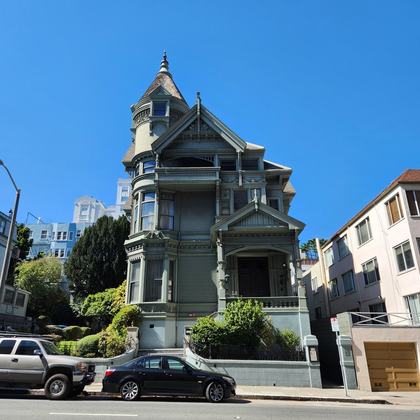
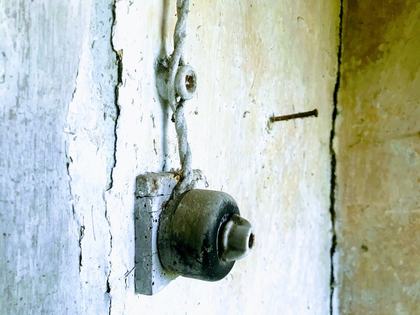
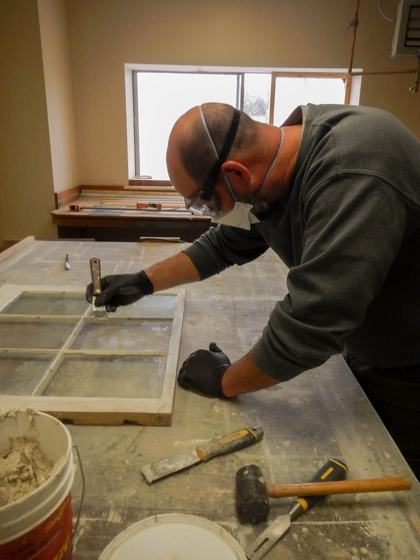
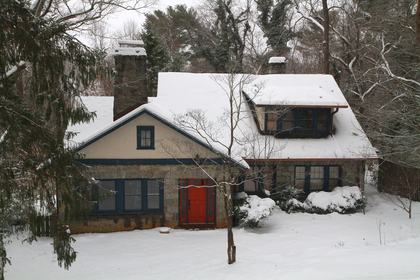
Why Learn Home Maintenance? Stewardship of Your HouseholdPpienovagem / Wikimedia Commons / CC BY 4.0How Home Electricity Works: The BasicsAlex Khimich / Wikimedia Commons / CC0Fixing a Window That Won't Open or CloseNPS Photo / Wikimedia Commons / Public domainPreparing Your Home's Exterior for Winteranoldent / Wikimedia Commons / CC BY-SA 2.0
Every lesson, by title
All 100 lesson titles are listed here — nothing is withheld until you download. Open a unit to read its contents.
Unit 1: Stewardship & Foundations - Building Your Home Maintenance Skills 10 lessons
1Why Learn Home Maintenance? Stewardship of Your Household10 q
2Building a Home Maintenance Toolkit10 q
3A Seasonal Home Maintenance Checklist10 q
4Reading Your Home: Warning Signs to Watch For10 q
5Safety First: Working Around Your Home10 q
6Knowing When to Call a Professional10 q
7Basic Home Systems Overview (Electrical, Plumbing, HVAC)10 q
8Keeping a Home Maintenance Log10 q
9Budgeting for Repairs and Upkeep10 q
10Preventive Maintenance: Saving Money by Catching Problems Early10 q
Unit 2: Water Systems & Plumbing - From Shutoff Valves to Repair 10 lessons
1How Home Plumbing Works: The Basics10 q
2Finding and Using Your Water Shutoff Valves10 q
3Fixing a Leaky Faucet10 q
4Unclogging a Drain10 q
5Fixing a Running or Leaking Toilet10 q
6Replacing a Showerhead or Faucet Aerator10 q
7Understanding Water Heaters10 q
8Preventing Frozen Pipes10 q
9Recognizing Signs of a Plumbing Problem10 q
10When to Call a Plumber10 q
Unit 3: Electrical Systems & Home Power - Safety First 10 lessons
1How Home Electricity Works: The Basics10 q
2Your Home's Circuit Breaker Panel10 q
3Safety Rules Before Any Electrical Work10 q
4Replacing a Light Switch or Outlet Safely10 q
5Understanding GFCI Outlets10 q
6Replacing a Light Fixture10 q
7Troubleshooting a Tripped Breaker10 q
8Extension Cord and Power Strip Safety10 q
9Recognizing Dangerous Electrical Problems10 q
10When to Call a Licensed Electrician10 q
Unit 4: Walls & Finishes - Drywall, Paint & Interior Care 10 lessons
1Patching a Small Drywall Hole10 q
2Repairing a Large Drywall Hole10 q
3Fixing Cracks in Walls10 q
4Preparing a Room for Painting10 q
5Choosing the Right Paint and Sheen10 q
6Painting Techniques for a Professional Look10 q
7Removing Wallpaper10 q
8Caulking Around Trim and Windows10 q
9Cleaning and Maintaining Painted Surfaces10 q
10Matching and Touching Up Paint10 q
Unit 5: Doors & Windows - Seals, Weatherproofing & Security 10 lessons
1Fixing a Sticking Door10 q
2Replacing Door Hinges10 q
3Installing a Doorknob or Deadbolt10 q
4Weatherstripping Doors and Windows10 q
5Fixing a Window That Won't Open or Close10 q
6Replacing a Broken Window Screen10 q
7Caulking Windows for Energy Efficiency10 q
8Basic Lock Maintenance10 q
9Childproofing and Safety Hardware10 q
10Seasonal Door and Window Checkup10 q
Unit 6: Climate Control - Heating, Cooling & Indoor Air Quality 10 lessons
1How Home Heating Systems Work10 q
2How Home Cooling Systems Work10 q
3Changing an HVAC Air Filter10 q
4Programmable Thermostats and Energy Savings10 q
5Improving Home Insulation10 q
6Sealing Air Leaks and Drafts10 q
7Understanding Ventilation and Indoor Air Quality10 q
Unit 10: Wisdom & Stewardship - The Heart of Home Care 10 lessons
1The Home as a Trust: A Biblical View of Property10 q
2Contentment vs. Neglect: Caring for What You Have10 q
3Teaching Children to Care for a Home10 q
4Hiring and Working with Contractors Honestly10 q
5Avoiding Home Repair Scams10 q
6DIY vs. Hiring Out: Making Wise Choices10 q
7Home Maintenance and Hospitality10 q
8Building a Long-Term Home Maintenance Plan10 q
9Caring for a Rental or a Neighbor's Home10 q
10A Well-Kept Home as a Testimony10 q
One whole lesson, exactly as it comes
This is a real lesson taken from the middle of the course — the teaching text, the practice, the homework, and the first three quiz questions with their answers. It is not a marketing excerpt.
Unit 6: Climate Control - Heating, Cooling & Indoor Air Quality · Lesson 1
How Home Heating Systems Work
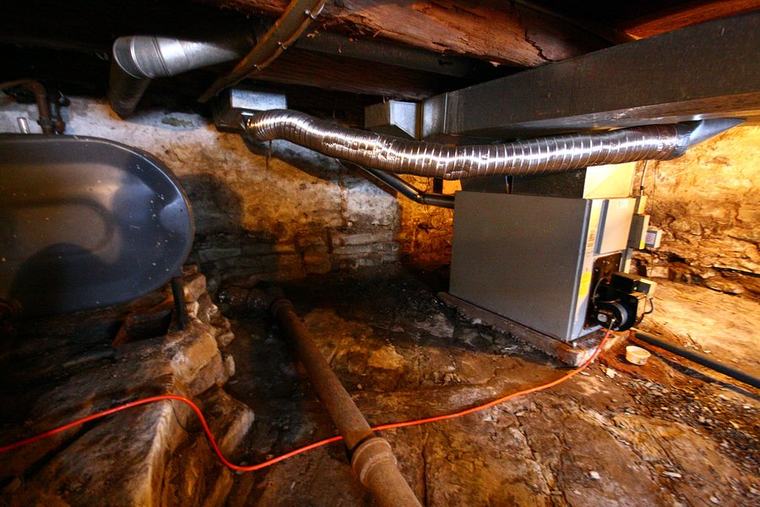
How Home Heating Systems WorkMartin Cathrae / Wikimedia Commons / CC BY-SA 2.0
Understanding how your home's heating system works is one of the most important steps toward responsible stewardship of the space where your family lives. When you know the basics of heating systems—how they operate, what they're designed to do, and when they need attention—you gain the ability to maintain them properly, recognize problems before they become expensive, and make wise decisions about repairs and upgrades.
Types of Heating Systems
Most homes in North America rely on one of a few primary heating systems. A furnace system heats air to high temperatures and then distributes that warm air throughout the home via a network of ducts and vents. This is the most common approach in modern homes. A boiler system, by contrast, heats water instead of air. That hot water then circulates through pipes to radiators positioned in each room, where it releases its heat to warm the air around it. Both systems are effective, and the choice between them depends on the home's design and climate.
Some older homes still use steam radiator systems, which work similarly to hot-water systems but operate at higher temperatures. Oil-fired and propane furnaces work identically to natural gas furnaces, except they burn different fuels.
How a Furnace Operates
A forced-air furnace works through a straightforward cycle. Cold air from your home is drawn into the furnace through a return air duct. This air passes over a heated burner, where it absorbs heat. The now-warm air is forced through a network of supply ducts by a blower fan, delivering heat to each room. When your home reaches the temperature set on your thermostat, the furnace shuts down. As the home gradually cools, the thermostat signals the furnace to start again.
Heat Distribution Systems
Forced-air systems respond quickly to thermostat changes and can be easily modified to heat some rooms more than others. Hydronic systems distribute heat more evenly and tend to create very comfortable indoor environments, but they respond more slowly to temperature adjustments. Radiant floor systems, an increasingly popular option, embed hot-water pipes directly in flooring, so heat rises naturally from the ground up.
The Thermostat and System Efficiency
Your thermostat is the "brain" of the heating system. It continuously measures room temperature and compares it to your desired setting. When the actual temperature falls below the setpoint, it triggers the furnace to start. Modern furnaces convert 90-95% of fuel energy into usable heat. Older furnaces may only achieve 60-70% efficiency.
Longevity and Care
A furnace that receives regular maintenance can operate effectively for 15-20 years. Annual professional inspections, regular filter changes, and attention to unusual noises will keep your heating system running safely and efficiently, protecting both your family's comfort and your household budget.
The first three of this lesson's 10 questions
What is the most common type of heating system found in modern North American homes?
Forced-air furnace systems
Steam radiators
Wood stoves
Electric heating elements
Show the answer
Answer: Forced-air furnace systems
How does a boiler system differ from a furnace?
A boiler is cheaper to install
A boiler only works in winter
A boiler heats water while a furnace heats air
They are identical systems
Show the answer
Answer: A boiler heats water while a furnace heats air
What does Proverbs 27:12 suggest about maintaining your heating system?
Heating systems should never be maintained
Only the wealthy need to maintain heating
A prudent homeowner foresees potential problems and maintains the system before failure occurs
Maintenance is wasteful
Show the answer
Answer: A prudent homeowner foresees potential problems and maintains the system before failure occurs
Another 7 questions follow in the lesson itself, each one graded the moment it is answered.
What comes with the download
100 full lessons
Across 10 units, each with objectives, a teaching passage written to be read aloud, guided practice, and homework.
1,000 quiz questions
Graded the instant they are answered, each with the explanation of why that answer is right.
A gradebook that works
Every score kept, a running average maintained, and a breakdown unit by unit — all in the file itself, nothing sent anywhere.
Progress and attendance
Tick lessons off as they are finished, watch the completion bar fill, and mark days present, absent, or excused.
Report card and certificate
Both printable, with your student's name, the grades, and the dates already filled in.
Backup you control
Export every record to a file you keep, and read it back later. A lost browser cache cannot take the year with it.
An answer key
Hidden from the student by default, there for the parent marking the work.
Nothing that phones home
No ads, no affiliate links, no analytics, no fonts fetched from elsewhere. Unplug the network cable and every one of these files still works.
What you will need
Drawn from the materials named across all 100 lessons of this course. Most families already own most of it.
No lesson in this course names a material of its own, so there is nothing to buy before you begin. The Grade 12 supply list gathers what the rest of the year needs.
Download Home Maintenance & Repair — Grade 12
Free, and free of everything else. 17 files, 37.9 MB in total. No account, no email address, no payment. What you download carries no advertising, no affiliate links and no tracking of any kind.
Use it on a screen
Open any of these straight from a folder or a USB stick. They run in the browser with the network cable unplugged, and nothing is ever sent anywhere.
Every photograph on this page is used under a free licence, and is credited here as that licence requires. Photographs are part of the curriculum itself, so they travel with the download as well.
Why Learn Home Maintenance? Stewardship of Your Household — Ppienovagem / Wikimedia Commons / CC BY 4.0
How Home Electricity Works: The Basics — Alex Khimich / Wikimedia Commons / CC0
Fixing a Window That Won't Open or Close — NPS Photo / Wikimedia Commons / Public domain
Preparing Your Home's Exterior for Winter — anoldent / Wikimedia Commons / CC BY-SA 2.0
How Home Heating Systems Work — Martin Cathrae / Wikimedia Commons / CC BY-SA 2.0