A practical, self-paced elective on raising chickens, goats, rabbits, and sheep on a small family homestead.
Elective Self-paced. It is not part of the daily schedule, so it can be taken over a summer, spread across a year, or left out entirely.
One course, offered four ways. Animal Husbandry is self-paced, and the same course is listed under Grade 9, Grade 10, Grade 11 and Grade 12 so it can be counted as a credit in whichever year a family takes it. The lessons are identical; take it whenever it suits.
This elective covers the animals a family is most likely to start with on a small place: chickens and other poultry, dairy and meat goats, rabbits, and sheep. It begins before any animal arrives, with the honest questions of whether there is land, time, and money for livestock, what local zoning allows, and how to keep peace with neighbors over noise and odor. From there it works through housing and fencing, feeding at every age, daily chores and reading animal behavior, breeding and birthing seasons, milking and simple home dairy, wool and shearing, parasites and herd health, predators and guardian animals, and the record-keeping and budgeting that decide whether a homestead stays affordable. Each lesson opens with a verse from the King James Bible, and the thread running through all ten units is stewardship: that dominion means responsible care, and that an animal in your keeping depends entirely on the decisions your family makes for it.
The course is 10 units of 10 lessons each, 100 lessons in all, self-paced rather than tied to a daily schedule. A lesson is a short reading, usually 350 to 600 words, followed by a ten-question multiple-choice quiz that grades itself. The writing is plain high school prose that defines its terms as it goes, so a student with no farm background can follow it. It is also candid about money: it gives real dollar ranges for coops, goat shelters, fencing, hay, and veterinary visits, estimates that a first-time setup for small livestock commonly runs $1,500 to $3,000 before a single animal is bought, and says plainly that unexpected vet bills have forced many families to rehome animals they could not afford to keep.
A few practical notes. This is a reading and study course, not a supervised hands-on program. Your student can finish all 100 lessons and every quiz without owning an animal, and working through it first is a sensible way to decide whether to begin at all. Even so, it is written for someone who intends to actually keep livestock, and it will mean considerably more to a student who has animals at home or a neighbor willing to let them help with chores. Because raising animals includes raising young ones, breeding schedules and the birth of kids, lambs, and rabbit kits are described plainly and without drama. Two lessons deal with meat birds and meat rabbits; both are built around the decision of whether to process at home or use a licensed processor rather than around procedure, and both state that the actual skill must be learned in person from an experienced hand and never from written instructions alone. A few lessons involve kitchen work such as making cheese, yogurt, and butter from goat milk, which uses a stove and deserves adult supervision. Regulations, suppliers, and climate advice assume North America, and the course sends the student to a county extension office often enough that you and your family may want to make that call together.
What the course covers
Biblical stewardship, zoning, and choosing animals for your land
Raising chickens from chick to laying flock
Eggs, meat birds, ducks, and turkeys
Goat breeds, housing, kidding, and hoof care
Milking, home dairy, and goat breeding programs
Rabbit hutches, breeding, kits, and fiber
Sheep, pasture, shearing, wool, and lambing
Feed labels, rations, parasites, and herd health
Fencing, shelter, predators, and guardian animals
Breeding goals, farm records, and homestead economics
What your student will be able to do
Match livestock choices to your land, budget, and local zoning rules
Set up housing, bedding, and fencing that keeps animals healthy and contained
Recognize early signs of illness, parasites, and poor nutrition across species
Prepare for and manage a birthing season for goats, sheep, or rabbits
Keep breeding, health, and production records for a small flock or herd
Calculate the true cost of an animal and price what you sell locally
Scope and sequence
All 10 units of Animal Husbandry for Grade 12, in the order they are taught.
These photographs appear in the lessons themselves, not just on this page. Every one is freely licensed and credited to its photographer at the foot of this page.
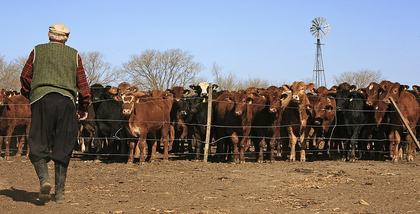
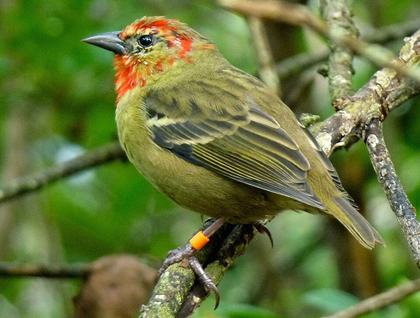
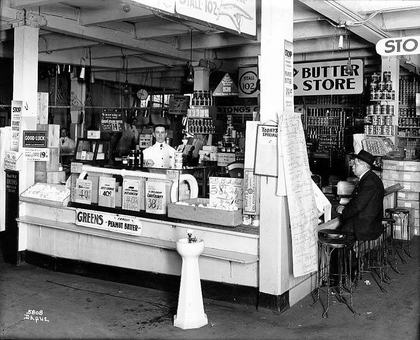
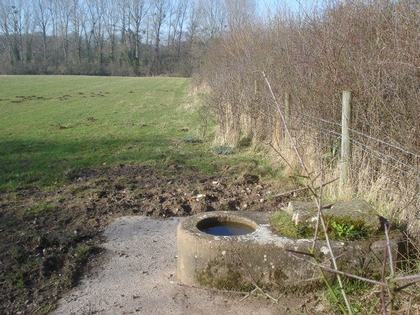
Dominion and Care: What the Bible Says About AnimalsAlex Proimos / Wikimedia Commons / CC BY 2.0Molting and Its Effects on LayingEliane Kupfer / Wikimedia Commons / CC BY-SA 4.0Selling Milk, Meat, or Breeding StockEarl B. Depue / Wikimedia Commons / Public domainWater: The Most Overlooked NutrientTrevor Rickard / Wikimedia Commons / CC-BY-SA-2.0
Every lesson, by title
All 100 lesson titles are listed here — nothing is withheld until you download. Open a unit to read its contents.
Unit 1: Biblical Stewardship & Homestead Foundations 10 lessons
1Dominion and Care: What the Bible Says About Animals10 q
2Choosing the Right Animals for Your Homestead10 q
Unit 6: Rabbit Husbandry: Housing, Breeding & Products 10 lessons
1Why Rabbits? Meat, Fiber, and 4-H Projects10 q
2Rabbit Housing and Hutches10 q
3Rabbit Nutrition and Feeding10 q
4Rabbit Health and Common Illnesses10 q
5Breeding and Kindling Basics10 q
6Caring for Baby Rabbits (Kits)10 q
7Handling and Temperament10 q
8Angora and Fiber Rabbits10 q
9Deciding Whether to Raise Rabbits for Meat: Considerations and Resources10 q
10Rabbit Economics and Record-Keeping10 q
Unit 7: Sheep Raising: Wool, Meat & Protection 10 lessons
1Why Raise Sheep? Wool, Meat, and Milk10 q
2Sheep Housing and Fencing10 q
3Sheep Nutrition and Pasture Management10 q
4Sheep Health and Hoof Trimming10 q
5Shearing Basics10 q
6Lambing Season10 q
7Predator Protection for Sheep10 q
8Guardian Animals: Dogs, Llamas, and Donkeys10 q
9Common Sheep Health Problems10 q
10Sheep Economics and Wool Marketing10 q
Unit 8: Animal Nutrition & Herd Health Across Species 10 lessons
1Reading a Feed Label10 q
2Balancing Rations for Different Animals10 q
3Pasture and Hay Quality10 q
4Water: The Most Overlooked Nutrient10 q
5Recognizing a Sick Animal Early10 q
6Building a Homestead First-Aid Kit for Animals10 q
7Working with a Large-Animal Veterinarian10 q
8Parasite Prevention Across Species10 q
9Vaccination Schedules and Recordkeeping10 q
10Nutrition Through the Seasons10 q
Unit 9: Building & Protecting Homestead Infrastructure 10 lessons
1Planning Your Homestead Layout10 q
2Fencing Types and Choosing the Right One10 q
3Building Simple, Sturdy Shelters10 q
4Ventilation and Bedding Basics10 q
5Predator Identification in Your Region10 q
6Electric Fencing Basics10 q
7Guardian Animals Revisited: Matching the Threat10 q
8Night Security Routines10 q
9Weatherproofing Animal Housing10 q
10Maintenance Schedules for Fences and Shelters10 q
Unit 10: Homestead Planning, Economics & Sustainability 10 lessons
1Setting Breeding Goals10 q
2Basic Genetics and Selecting Breeding Stock10 q
3Record-Keeping Systems for a Small Farm10 q
4Calculating the True Cost of Raising an Animal10 q
5Selling Animals, Meat, or Products Locally10 q
6Homestead Economics: Budgeting for Livestock10 q
7Bartering and Community in Farm Life10 q
8Legal and Zoning Considerations10 q
9Building a Long-Term Homestead Animal Plan10 q
10Stewardship Review: Caring for What God Has Given10 q
One whole lesson, exactly as it comes
This is a real lesson taken from the middle of the course — the teaching text, the practice, the homework, and the first three quiz questions with their answers. It is not a marketing excerpt.
Unit 6: Rabbit Husbandry: Housing, Breeding & Products · Lesson 1
Why Rabbits? Meat, Fiber, and 4-H Projects
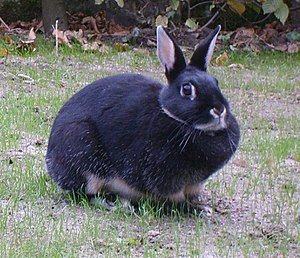
Why Rabbits? Meat, Fiber, and 4-H ProjectsDR / Wikimedia Commons / CC BY-SA 3.0
The Practical Value of Raising Rabbits
Rabbits have been raised by farmers and homesteaders for centuries because they offer multiple valuable products in a small space. Whether you're looking to produce meat for your family, harvest fiber for crafts, or get involved in 4-H competitions, rabbits are an excellent choice for a high-school student interested in livestock management.
Meat Production and Efficiency
Rabbit meat is lean, healthy, and efficient to produce. A single doe (female rabbit) can produce 20 or more young rabbits per year, and these animals reach processing size around 5-6 pounds in just 8-12 weeks. This rapid growth cycle means you can generate significant protein from a small investment in space and feed. Rabbits convert feed to meat very efficiently—they require approximately 2.5 to 3 pounds of feed to gain 1 pound of body weight. For a homesteading family or someone interested in self-sufficiency, this efficiency is a real advantage. Unlike larger livestock that need extensive pasture or expensive grain, rabbits thrive on simple hay and vegetable scraps supplemented with pellets.
Fiber and Crafting Materials
Angora rabbits produce some of the softest fiber in the animal kingdom. This wool can be spun into yarn for knitting, weaving, or felting projects. Angora production doesn't require extensive processing—you simply brush or pluck the loose wool from your rabbit every 8-12 weeks and have ready-to-use fiber. Selling Angora fiber can generate meaningful income, and many fiber artists actively seek high-quality rabbit fiber for their craft projects. Even standard rabbit breeds produce usable pelts that have historically been made into clothing and other items.
4-H and Youth Involvement
Raising rabbits is one of the most popular 4-H livestock projects for young people. It teaches responsibility, detailed record-keeping, animal care principles, and breeding fundamentals—all valuable skills for future farmers, veterinarians, or agricultural entrepreneurs. 4-H rabbit projects culminate in county or state fair competitions where you can show your rabbits, compete for awards, and connect with other young farmers. The financial barrier to entry is low compared to beef or dairy projects, making it accessible for students without expensive farm infrastructure.
The first three of this lesson's 10 questions
According to Proverbs 14:4, what brings 'much increase'?
Trading and commerce
Good weather and rain
Hard work and planning
The strength of the ox
Show the answer
Answer: The strength of the ox
How many young rabbits can a single doe produce per year?
20 or more rabbits
5-10 rabbits
30-40 rabbits
Fewer than 5 rabbits
Show the answer
Answer: 20 or more rabbits
At what weight do rabbits typically reach processing size?
2-3 pounds
10-12 pounds
5-6 pounds
7-8 pounds
Show the answer
Answer: 5-6 pounds
Another 7 questions follow in the lesson itself, each one graded the moment it is answered.
What comes with the download
100 full lessons
Across 10 units, each with objectives, a teaching passage written to be read aloud, guided practice, and homework.
1,000 quiz questions
Graded the instant they are answered, each with the explanation of why that answer is right.
A gradebook that works
Every score kept, a running average maintained, and a breakdown unit by unit — all in the file itself, nothing sent anywhere.
Progress and attendance
Tick lessons off as they are finished, watch the completion bar fill, and mark days present, absent, or excused.
Report card and certificate
Both printable, with your student's name, the grades, and the dates already filled in.
Backup you control
Export every record to a file you keep, and read it back later. A lost browser cache cannot take the year with it.
An answer key
Hidden from the student by default, there for the parent marking the work.
Nothing that phones home
No ads, no affiliate links, no analytics, no fonts fetched from elsewhere. Unplug the network cable and every one of these files still works.
What you will need
Drawn from the materials named across all 100 lessons of this course. Most families already own most of it.
No lesson in this course names a material of its own, so there is nothing to buy before you begin. The Grade 12 supply list gathers what the rest of the year needs.
Download Animal Husbandry — Grade 12
Free, and free of everything else. 17 files, 56.7 MB in total. No account, no email address, no payment. What you download carries no advertising, no affiliate links and no tracking of any kind.
Use it on a screen
Open any of these straight from a folder or a USB stick. They run in the browser with the network cable unplugged, and nothing is ever sent anywhere.
Every photograph on this page is used under a free licence, and is credited here as that licence requires. Photographs are part of the curriculum itself, so they travel with the download as well.
Dominion and Care: What the Bible Says About Animals — Alex Proimos / Wikimedia Commons / CC BY 2.0
Molting and Its Effects on Laying — Eliane Kupfer / Wikimedia Commons / CC BY-SA 4.0
Selling Milk, Meat, or Breeding Stock — Earl B. Depue / Wikimedia Commons / Public domain
Water: The Most Overlooked Nutrient — Trevor Rickard / Wikimedia Commons / CC-BY-SA-2.0
Why Rabbits? Meat, Fiber, and 4-H Projects — DR / Wikimedia Commons / CC BY-SA 3.0