A practical, self-paced elective on keeping honeybees, from setting up a first hive to harvesting honey.
Elective Self-paced. It is not part of the daily schedule, so it can be taken over a summer, spread across a year, or left out entirely.
One course, offered four ways. Beekeeping is self-paced, and the same course is listed under Grade 9, Grade 10, Grade 11 and Grade 12 so it can be counted as a credit in whichever year a family takes it. The lessons are identical; take it whenever it suits.
This elective walks your student through a full year of beekeeping, starting with the questions that come before the bees: whether there is space and budget for a hive, what local ordinances allow, and how to talk it over with neighbors before anything arrives. From there it covers hive types and equipment, honeybee biology and colony behavior, installing a package or nucleus colony, routine inspection and seasonal management, pests and diseases, pollination and forage, honey harvest and bottling, beeswax and other hive products, and getting a colony through winter. Each lesson opens with a verse from the King James Bible, and the themes that come up most often are stewardship, diligence, prudence, and caring well for creatures placed in our keeping.
The course is 10 units of 10 lessons each, 100 lessons in all, self-paced rather than tied to a daily schedule. A lesson is a short reading, usually 300 to 900 words, followed by a ten-question multiple-choice quiz that grades itself. The writing is plain high school prose that defines its terms as it goes, so a student with no farm background can follow it. It is also candid about money: it gives real dollar ranges for hives, suits, smokers, bees, and mite treatments, estimates that a first single-hive setup will run roughly $500 to $800, and says plainly that beekeeping is not a dependable source of income.
A few practical notes. This is a reading and study course, not a supervised hands-on program. Your student can finish all 100 lessons and every quiz without owning a single bee, and working through it first is a sensible way to decide whether to begin at all. Even so, the material is written for someone who intends to actually keep bees, and it will mean considerably more to a student who has a hive to visit or a local beekeeper willing to let them tag along. Two or three lessons describe kitchen work such as rendering beeswax and pouring candles or lip balm, which involves melting wax on a stove and deserves adult supervision. Regulations, suppliers, and climate advice assume North America. Stings, allergies, and colony loss are all discussed honestly, so if your student has a known allergy, that is worth settling with you and your family before going near a hive.
What the course covers
Hive types, frames, and beekeeping equipment
Honeybee biology, castes, and colony behavior
Installing package bees and nucleus colonies
Hive inspection and seasonal management
Varroa mites, hive beetles, and brood diseases
Pollination, forage, and bee-friendly planting
Honey harvest, extraction, and bottling
Beeswax, propolis, pollen, and hive products
Overwintering and cold-weather care
Startup costs, record-keeping, and selling honey locally
What your student will be able to do
Choose, site, and set up a first hive with the right equipment
Inspect a colony and read brood patterns for signs of health or trouble
Recognize common bee pests and diseases and know when to act
Harvest and bottle honey while leaving the colony enough to winter on
Render beeswax and make simple candles, salves, and polishes
Budget startup and yearly costs and keep useful apiary records
Scope and sequence
All 10 units of Beekeeping for Grade 10, in the order they are taught.
Units in this course, in teaching order
Unit
Covers
Lessons
Questions
Jump to lessons
Unit 1
The Call to Beekeeping: Purpose, Preparation & Stewardship
These photographs appear in the lessons themselves, not just on this page. Every one is freely licensed and credited to its photographer at the foot of this page.
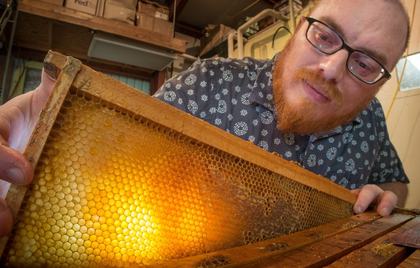
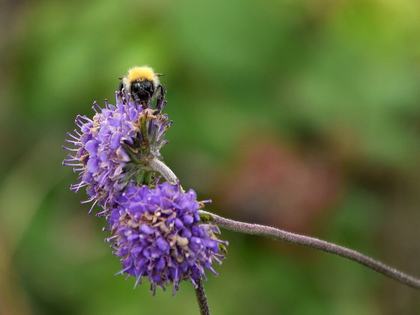
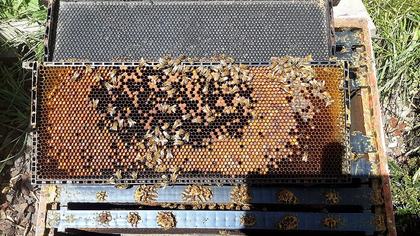
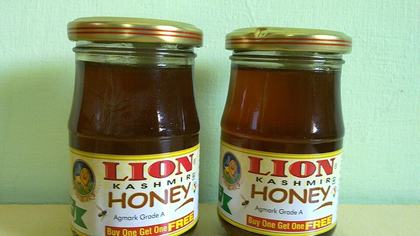
Why Keep Bees? Purpose and BlessingU.S. Department of Agriculture, Lance Cheung/Multimedia PhotoJournalist / Wikimedia Commons / Public domainWorker Bee Jobs Through Their LifetimeKenneth Allen / Wikimedia Commons / CC BY-SA 2.0Recognizing a Healthy vs. Struggling ColonyJohn Pons / Wikimedia Commons / CC BY-SA 4.0Straining and Bottling HoneyParvathisri / Wikimedia Commons / CC BY-SA 4.0
Every lesson, by title
All 100 lesson titles are listed here — nothing is withheld until you download. Open a unit to read its contents.
Unit 1: The Call to Beekeeping: Purpose, Preparation & Stewardship 10 lessons
1Why Keep Bees? Purpose and Blessing10 q
2Bees in the Bible: 'A Land Flowing with Milk and Honey'10 q
3Honeybee Basics: What Makes a Bee a Bee10 q
4Is Beekeeping Right for You and Your Homestead?10 q
5Local Laws and Neighbor Considerations10 q
6Where to Get Your First Bees10 q
7Beekeeping Costs and Startup Budget10 q
8Choosing a Hive Location10 q
9Safety Basics Around Bees10 q
10Setting Beekeeping Goals for the Year10 q
Unit 2: Building Your Apiary: Hives, Equipment & Setup 10 lessons
1Langstroth Hives Explained10 q
2Top-Bar Hives: An Alternative Approach10 q
3Frames and Foundation10 q
4The Bee Suit and Protective Gear10 q
5The Smoker: Your Most Important Tool10 q
6Hive Tools and Their Uses10 q
7Feeders and Feeding Equipment10 q
8Building vs. Buying a Hive10 q
9Setting Up Your Apiary10 q
10Assembling Your First Hive10 q
Unit 3: The Living Hive: Bee Biology, Behavior & God's Design 10 lessons
1The Three Types of Bees: Queen, Workers, Drones10 q
2Life Cycle of a Honeybee10 q
3How a Colony Communicates: The Waggle Dance10 q
4The Queen's Role and Egg-Laying10 q
5Worker Bee Jobs Through Their Lifetime10 q
6How Bees Make Honey10 q
7How Bees Make Wax10 q
8The Hive as a Living System10 q
9How Colonies Reproduce: Swarming10 q
10God's Design in the Hive10 q
Unit 4: Bringing Home the Bees: Installation & Early Care 10 lessons
1Package Bees vs. Nucleus Colonies10 q
2Ordering and Timing Your Bees10 q
3Installing a Package of Bees10 q
4Installing a Nuc10 q
5The First Two Weeks After Installation10 q
6Feeding New Colonies10 q
7Checking for a Laying Queen10 q
8Common Beginner Mistakes10 q
9Building Comb: What to Expect10 q
10Preparing for Your First Full Season10 q
Unit 5: Caring for Your Hives: Inspection, Management & Health 10 lessons
1Why and How Often to Inspect a Hive10 q
2What to Look for During an Inspection10 q
3Reading Brood Patterns10 q
4Spring Management Tasks10 q
5Summer Management Tasks10 q
6Fall Management Tasks10 q
7Preparing Bees for Winter10 q
8Adding and Removing Supers10 q
9Recognizing a Healthy vs. Struggling Colony10 q
10Keeping a Hive Inspection Journal10 q
Unit 6: Protecting Your Colony: Pests, Diseases & Prevention 10 lessons
1Varroa Mites: The Beekeeper's Biggest Challenge10 q
2Monitoring and Treating for Mites10 q
3Small Hive Beetles10 q
4Wax Moths10 q
5American and European Foulbrood10 q
6Nosema and Other Common Diseases10 q
7Robbing: When Bees Attack Other Hives10 q
8Preventing Problems Through Good Management10 q
9When to Call for Help10 q
10Building a Hive Health Routine10 q
Unit 7: Nurturing Life: Pollination, Forage & the Bee-Friendly Garden 10 lessons
1How Pollination Works10 q
2Bees and Your Vegetable Garden10 q
3Bees and Fruit Trees10 q
4Planting a Bee-Friendly Garden10 q
5Native Pollinators vs. Honeybees10 q
6Avoiding Pesticide Harm to Bees10 q
7Seasonal Forage: What Bees Need When10 q
8Pollination Services for Local Farms10 q
9Water Sources for Bees10 q
10Creating a Pollinator-Friendly Homestead10 q
Unit 8: Harvesting Gold: Honey Extraction, Bottling & Use 10 lessons
1Knowing When Honey Is Ready to Harvest10 q
2Uncapping Frames10 q
3Extraction Methods: Spinning vs. Crush-and-Strain10 q
4Straining and Bottling Honey10 q
5Storing Honey Properly10 q
6Honey Varieties and What Affects Flavor10 q
7Labeling and Selling Honey Locally10 q
8Leaving Enough Honey for the Bees10 q
9Dealing with Crystallized Honey10 q
10Honey in the Kitchen: Simple Uses10 q
Unit 9: From Hive to Home: Beeswax, Products & Stewardship 10 lessons
1Harvesting and Rendering Beeswax10 q
2Making Simple Beeswax Candles10 q
3Beeswax for Wood and Leather Care10 q
4Propolis: The Hive's Sealant10 q
5Pollen and Its Collection10 q
6Simple Homemade Salves and Balms10 q
7Cleaning and Storing Hive Products10 q
8Selling Hive Products at Market10 q
9Gift-Giving from the Hive10 q
10Stewarding the Full Harvest10 q
Unit 10: The Whole Year: Winter Care, Records & Reflection 10 lessons
1Why Winter Is the Hardest Season for Bees10 q
2Preparing Hives for Cold Weather10 q
3Winter Feeding: Fondant and Sugar Boards10 q
4Insulation and Windbreaks10 q
5Checking on Bees in Winter Without Opening the Hive10 q
6Spring Buildup After Winter10 q
7Replacing Lost Colonies10 q
8Apiary Record-Keeping10 q
9The Real Costs and Returns of Beekeeping10 q
10A Year in the Life of a Beekeeper: Review10 q
One whole lesson, exactly as it comes
This is a real lesson taken from the middle of the course — the teaching text, the practice, the homework, and the first three quiz questions with their answers. It is not a marketing excerpt.
Unit 6: Protecting Your Colony: Pests, Diseases & Prevention · Lesson 1
Varroa Mites: The Beekeeper's Biggest Challenge
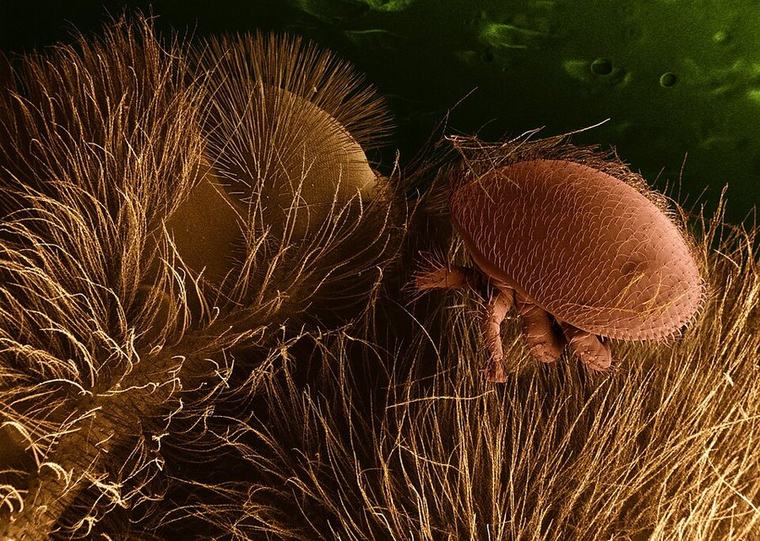
Varroa Mites: The Beekeeper's Biggest ChallengeEric Erbe, Christopher Pooley: USDA, ARS, EMU / Wikimedia Commons / Public domain
Understanding Varroa Destructor
Varroa mites are among the most destructive pests in modern beekeeping. These tiny parasitic arachnids, about the size of a pinhead, feed on the hemolymph—the blood-like fluid—of honey bees. Originally native to Asia, where they parasitized Asian honey bee species, varroa mites spread globally when commercial beekeeping introduced European honey bees to infected regions. Today, varroa destructor is the single greatest threat facing managed honey bee colonies worldwide.
Adult female varroa mites are reddish-brown in color and roughly 1.1 millimeters in length. They reproduce inside sealed brood cells, where each mated female can produce several offspring. As developing bees grow inside their cells, young varroa mites feed upon them, weakening the bee before it even emerges. An untreated varroa infestation virtually guarantees colony death within one to two years.
The Cascade of Damage
The harm caused by varroa extends far beyond simple blood-feeding. These mites transmit viruses that damage the wings of adult bees, reduce their lifespan, and impair their ability to navigate to flowers and return home. Weakened bees cannot forage effectively or produce the resources the colony needs to survive. Colony strength deteriorates rapidly once varroa populations reach critical levels. What begins as a hidden problem inside sealed cells eventually manifests as a visibly struggling, dying colony.
Why Vigilance Matters
This is where biblical wisdom applies directly to beekeeping. First Peter 5:8 reminds us to be vigilant against unseen threats—just as a beekeeper must remain watchful for varroa mites. The adversary in the hive, like the spiritual adversary in life, does not announce itself. It works quietly and persistently to destroy. A beekeeper who ignores varroa will lose colonies. A beekeeper who remains observant, monitoring regularly and treating at the right times, can protect the hive through knowledge and action. This combination of watchfulness and timely intervention is the foundation of successful hive management.
The first three of this lesson's 10 questions
Which biblical principle does the teaching relate to varroa mite management?
Patience with all things
Vigilance against threats
Sharing with the poor
Forgiveness of enemies
Show the answer
Answer: Vigilance against threats
What do varroa mites feed on in honey bees?
Pollen stored in cells
Honey reserves
Hemolymph or bee blood
Bee egg yolks
Show the answer
Answer: Hemolymph or bee blood
Where did varroa mites originally come from?
Europe
Asia
Africa
South America
Show the answer
Answer: Asia
Another 7 questions follow in the lesson itself, each one graded the moment it is answered.
What comes with the download
100 full lessons
Across 10 units, each with objectives, a teaching passage written to be read aloud, guided practice, and homework.
1,000 quiz questions
Graded the instant they are answered, each with the explanation of why that answer is right.
A gradebook that works
Every score kept, a running average maintained, and a breakdown unit by unit — all in the file itself, nothing sent anywhere.
Progress and attendance
Tick lessons off as they are finished, watch the completion bar fill, and mark days present, absent, or excused.
Report card and certificate
Both printable, with your student's name, the grades, and the dates already filled in.
Backup you control
Export every record to a file you keep, and read it back later. A lost browser cache cannot take the year with it.
An answer key
Hidden from the student by default, there for the parent marking the work.
Nothing that phones home
No ads, no affiliate links, no analytics, no fonts fetched from elsewhere. Unplug the network cable and every one of these files still works.
What you will need
Drawn from the materials named across all 100 lessons of this course. Most families already own most of it.
No lesson in this course names a material of its own, so there is nothing to buy before you begin. The Grade 10 supply list gathers what the rest of the year needs.
Download Beekeeping — Grade 10
Free, and free of everything else. 17 files, 55.3 MB in total. No account, no email address, no payment. What you download carries no advertising, no affiliate links and no tracking of any kind.
Use it on a screen
Open any of these straight from a folder or a USB stick. They run in the browser with the network cable unplugged, and nothing is ever sent anywhere.
Every photograph on this page is used under a free licence, and is credited here as that licence requires. Photographs are part of the curriculum itself, so they travel with the download as well.
Why Keep Bees? Purpose and Blessing — U.S. Department of Agriculture, Lance Cheung/Multimedia PhotoJournalist / Wikimedia Commons / Public domain
Worker Bee Jobs Through Their Lifetime — Kenneth Allen / Wikimedia Commons / CC BY-SA 2.0
Recognizing a Healthy vs. Struggling Colony — John Pons / Wikimedia Commons / CC BY-SA 4.0
Straining and Bottling Honey — Parvathisri / Wikimedia Commons / CC BY-SA 4.0
Varroa Mites: The Beekeeper's Biggest Challenge — Eric Erbe, Christopher Pooley: USDA, ARS, EMU / Wikimedia Commons / Public domain